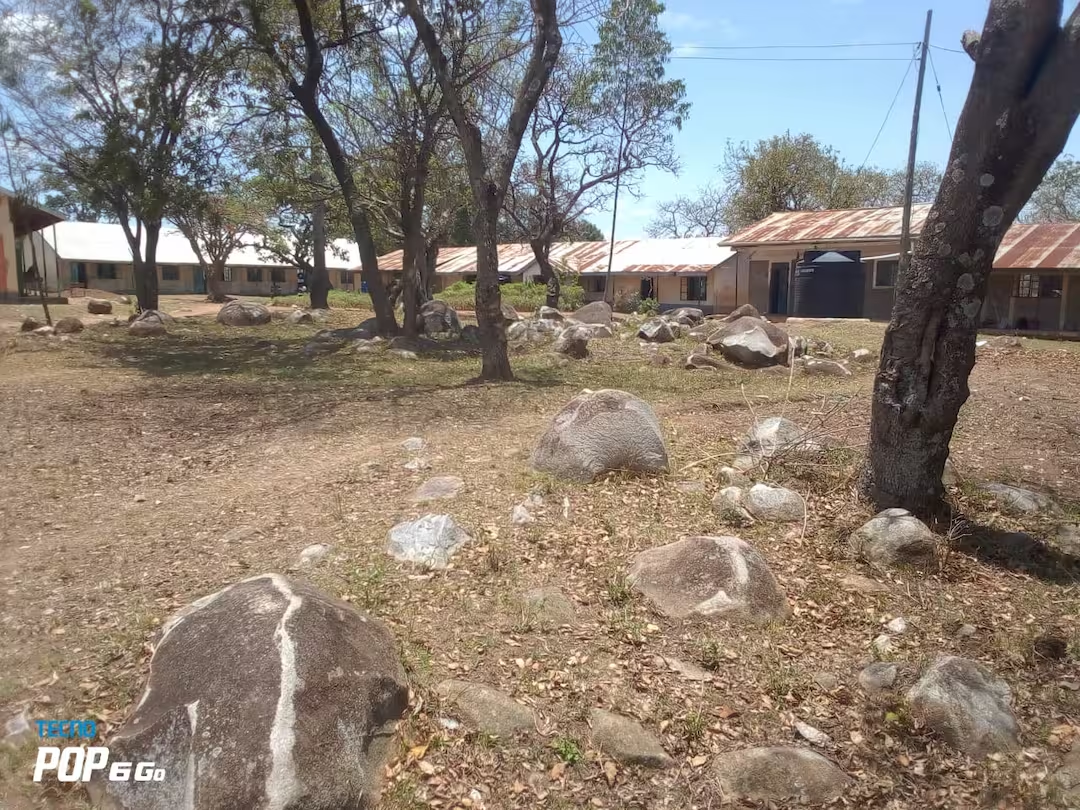
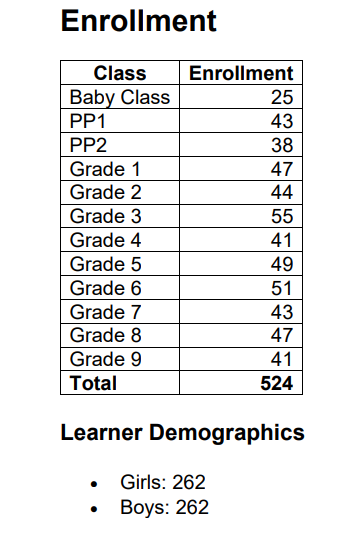
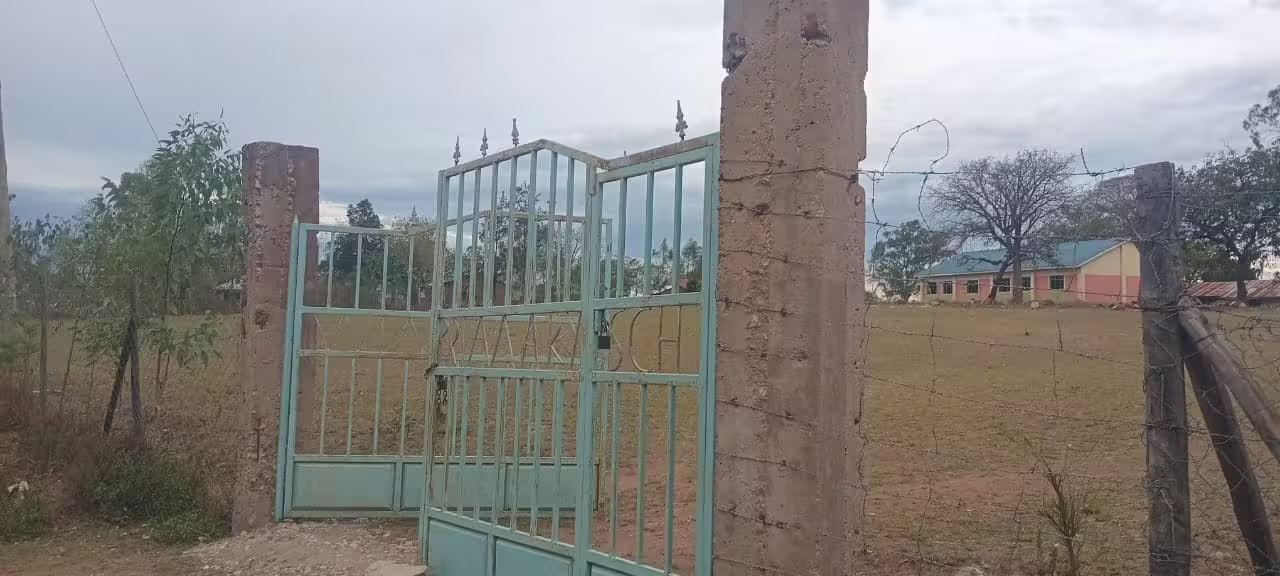
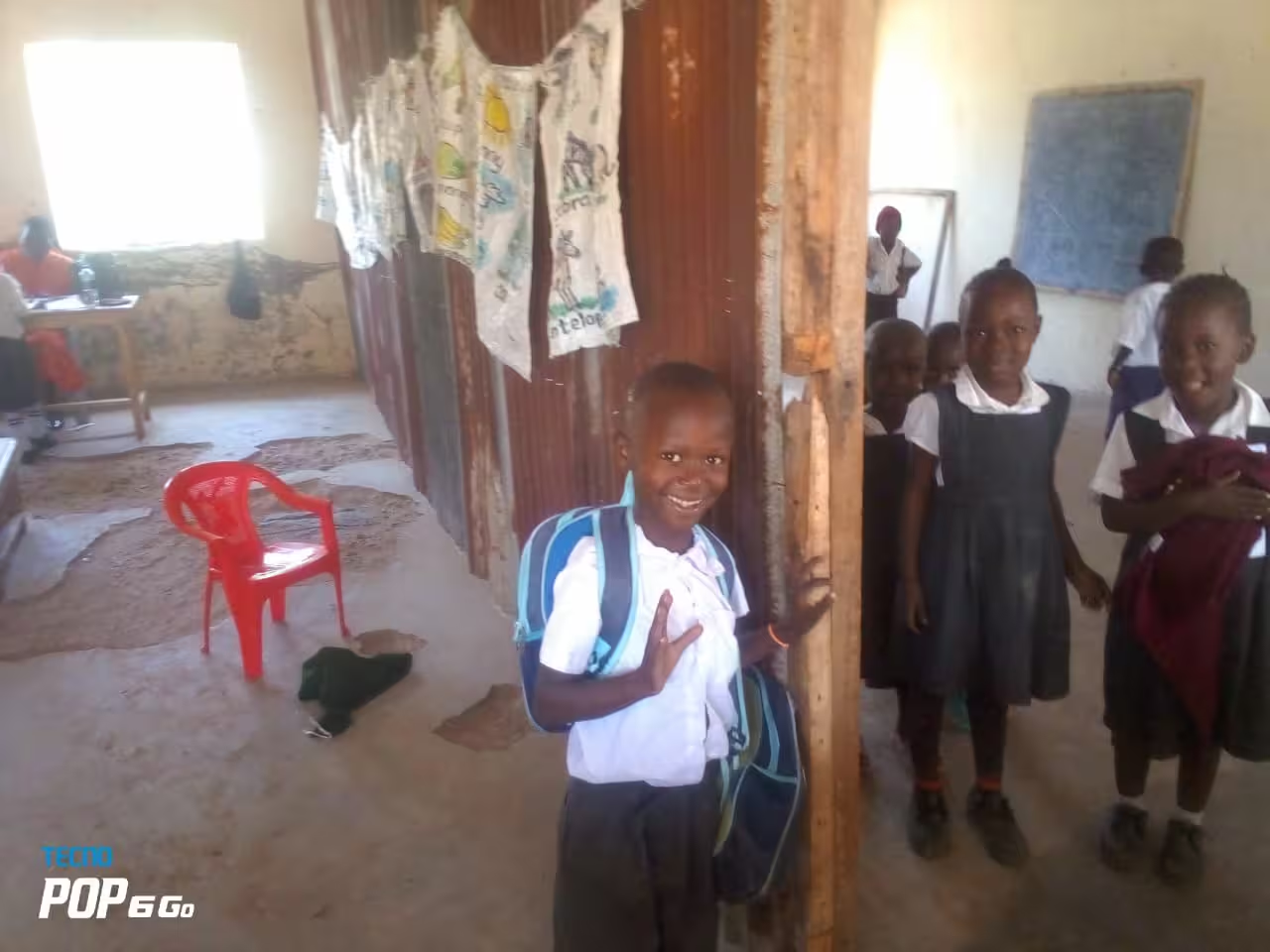
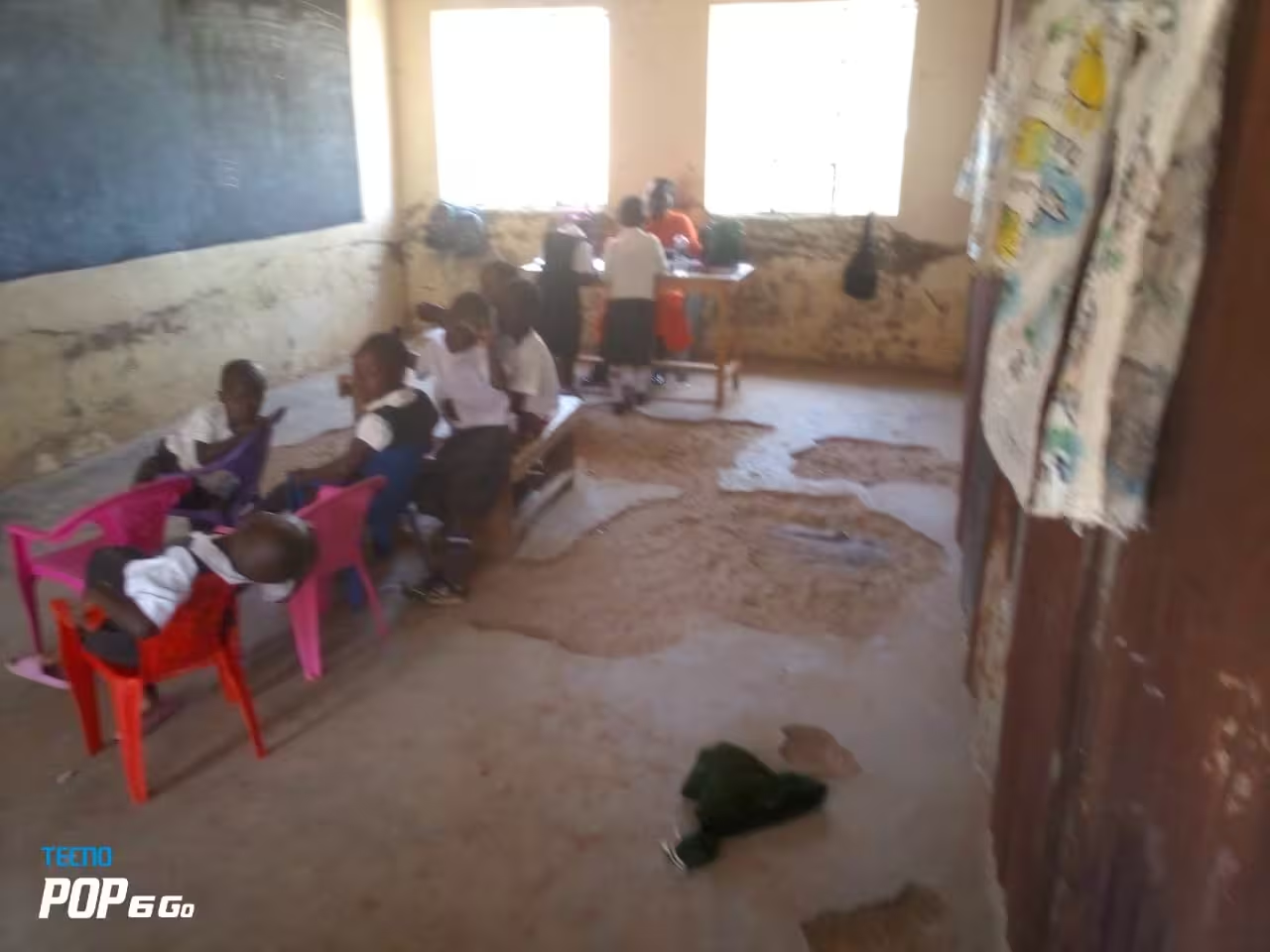
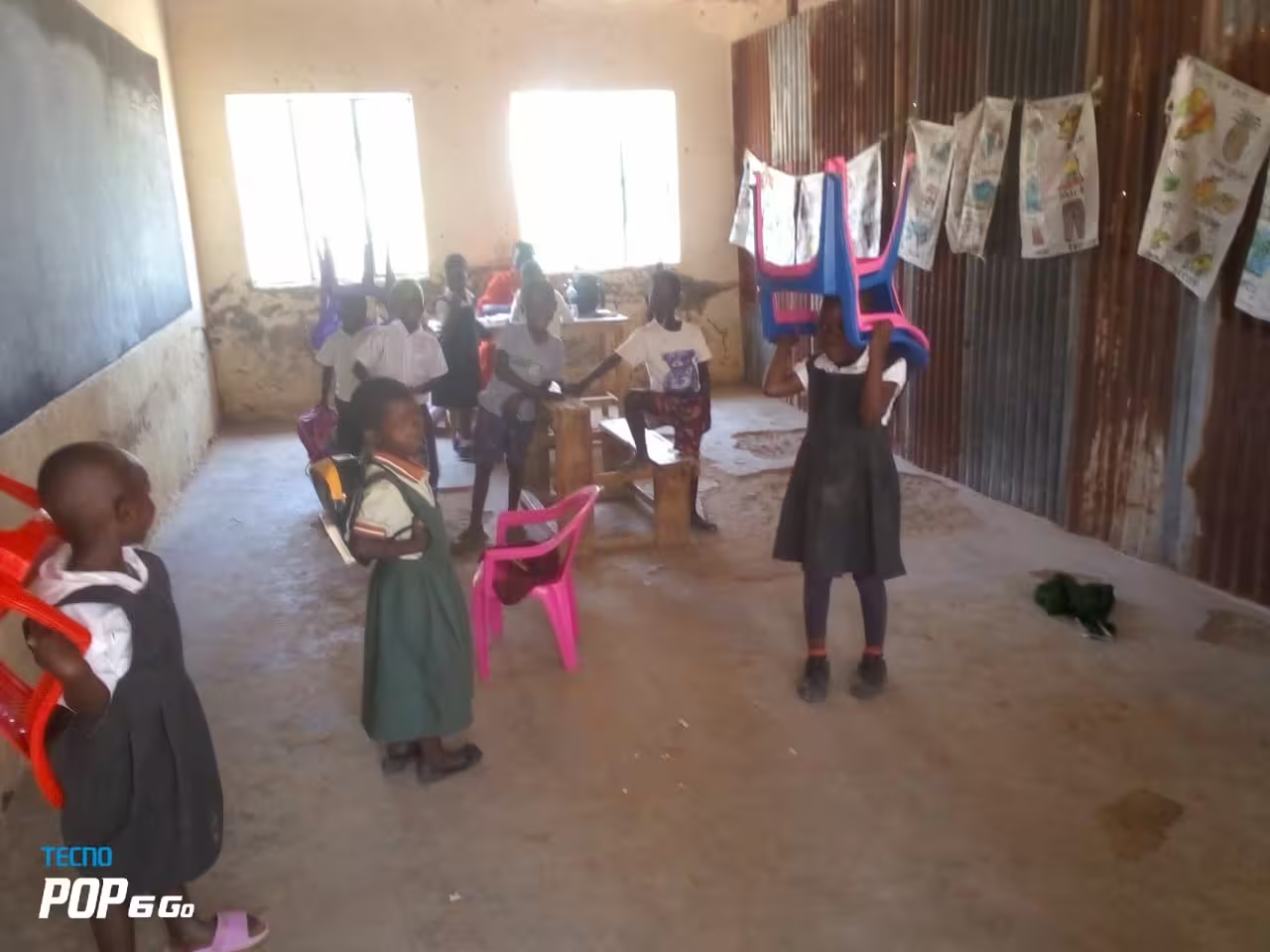
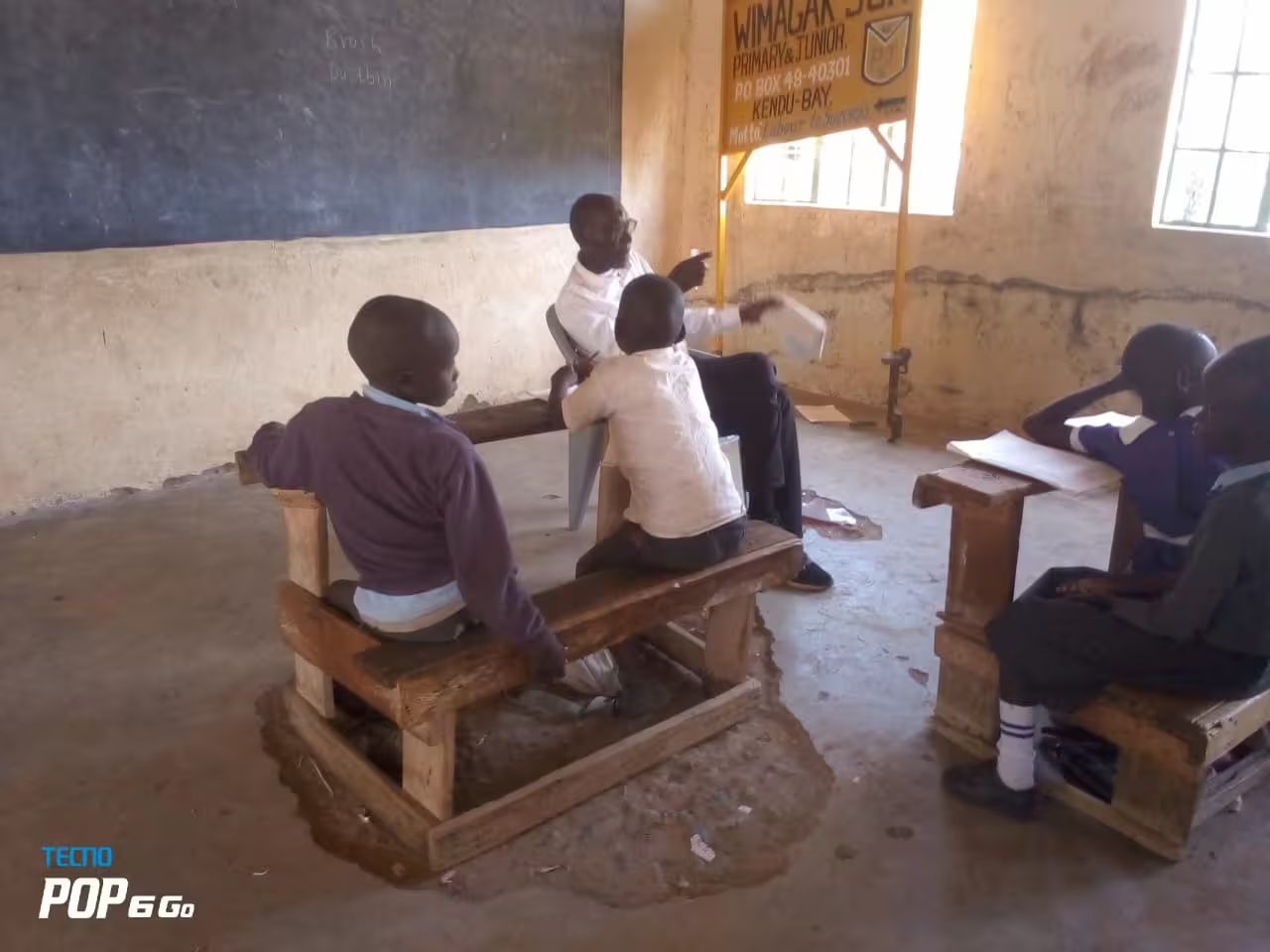
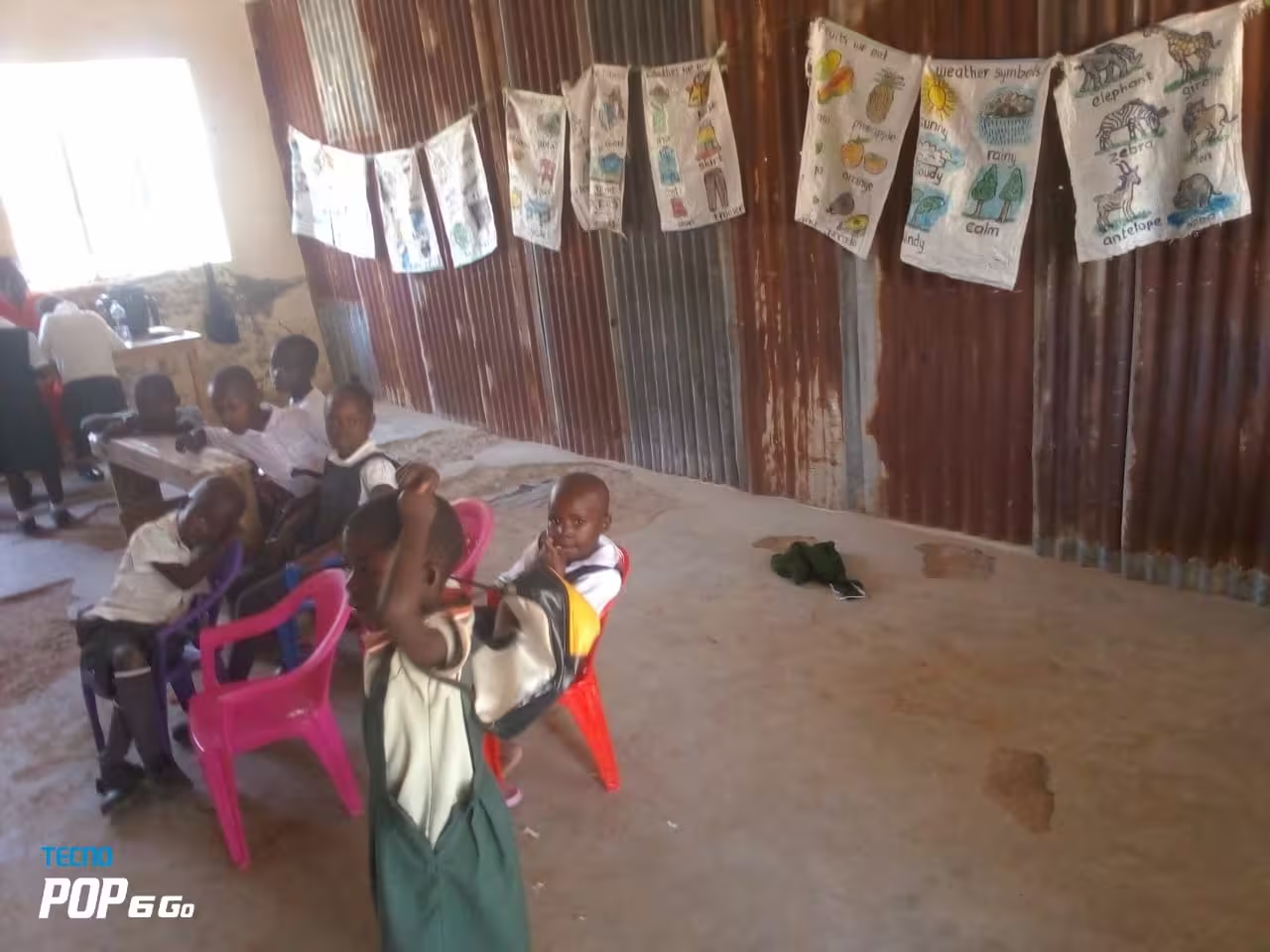
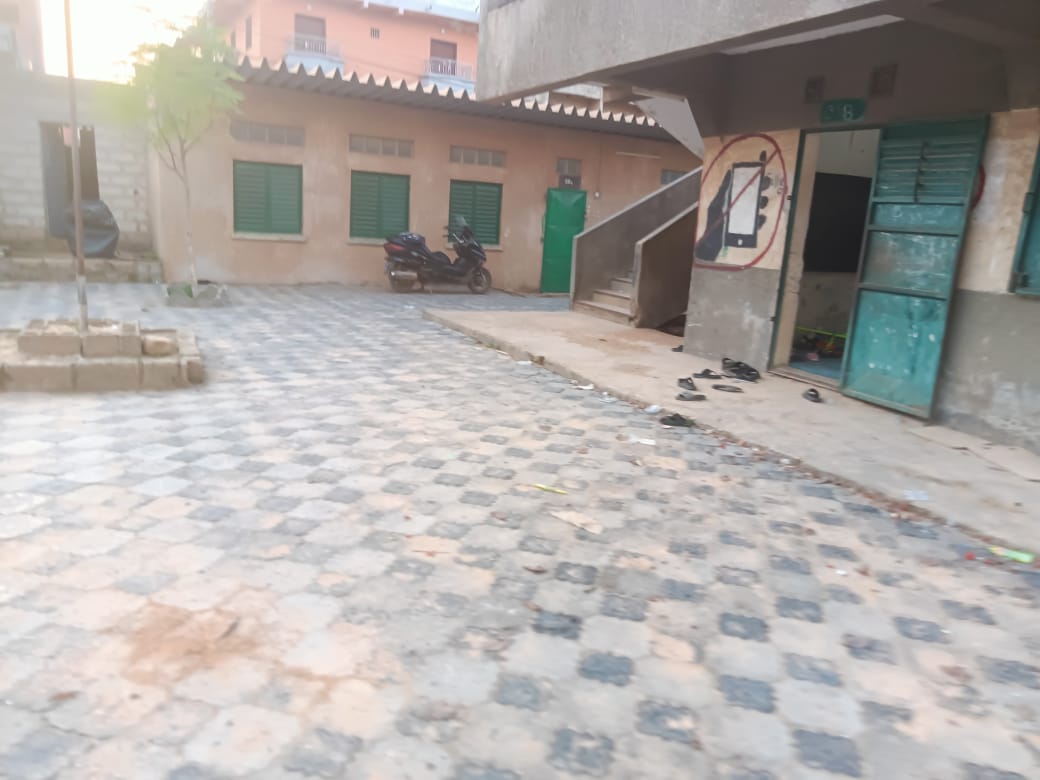
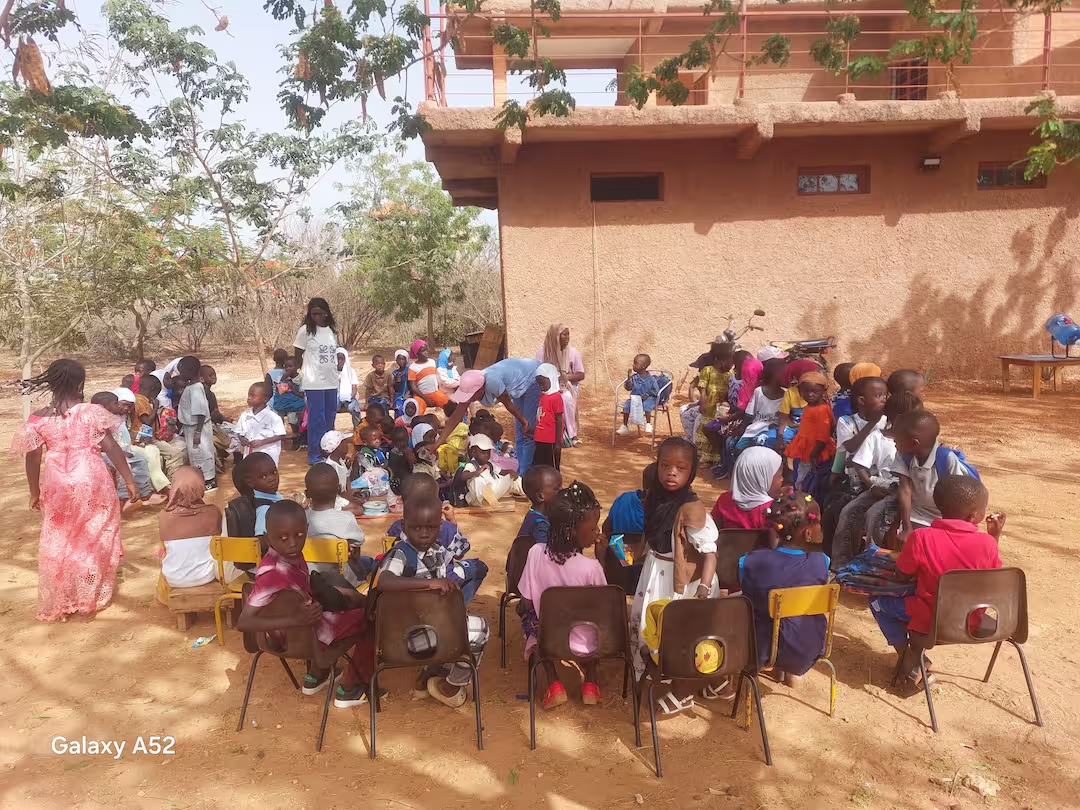
Wimagak Primary School currently serves 524 learners, comprising approximately 262 girlsand 262 boys from predominantly low-income households. The school faces severe classroom shortages due to increasing enrolment and the implementation of Kenya's Competency-BasedCurriculum (CBC) and Junior Secondary School (JSS) programme.The school currently has only eight classrooms, four of which are inadequate andovercrowded. PP1 and PP2 learners lack dedicated classrooms, compromising early childhoodlearning outcomes.
Wimagak Primary School currently faces a critical shortage of learning space. Despite serving 524 learners, the school operates with only eight classrooms. Four of these classrooms are undersized and inadequate, while PP1 and PP2 learners lack proper classrooms entirely.
Detailed project description
Objectives
The proposed project will provide six fully equipped classrooms, serving approximately 240learners at a time, while significantly reducing congestion throughout the school. The projectwill also install a 10,000-litre rainwater harvesting system to address chronic water shortagesaffecting sanitation, hygiene, and learner welfare.The intervention will directly benefit 524 learners and 15 teachers and provide sustainableeducational infrastructure for future generations.
The school needs an additional six classrooms to: • Accommodate current enrolment. • Reduce overcrowding. • Support CBC implementation. • Create age-appropriate learning spaces. • Improve educational outcomes. The shortage of classrooms results in: • Congested learning environments. • Reduced learner participation. • Lower teacher effectiveness. • Challenges in classroom management. • Reduced academic performance.
The school also experiences chronic water shortages, affecting sanitation, handwashing, and overall learner well-being. Due to widespread poverty within the community, local resources are insufficient to address these infrastructure deficiencies without external support
The proposed project involves:
Classroom Construction Construction of six permanent classrooms built to Ministry of Education standards.
Classroom Furnishing , Provision of: • 240 learner desk sets. • Six teacher desk and chair sets. • Six classroom boards. Water Infrastructure Installation of: • Roof catchment system. • Gutters and downpipes. • 10,000-litre water storage tank.
Accessibility Features Construction of disability-friendly ramps and access pathways to ensure inclusivity for learners living with disabilities.
Informations générales
Project applicant
Nicholas Odiowuor Ondiek
Contacts
CEO/Founder
info@asanteaid.org
School name
Wimagak Primary School
Location (village, region)
Karachuonyo , Kanyaluo
Project category
Construction
Main needs
School expansion : new classrooms
Target learners
524 children + 15 teachers
Coût du projet
KES 12,800,000 ≈ $100,000 USD
Project status
Received
Required Materials and Equipment
Buildings to Be Constructed
6 permanent classrooms Disability-friendly ramps and access pathway
Renovation and Restoration
Painting Flooring
Installations scolaires
Rainwater Harvesting System Roof catchment system. Gutters and downpipes. 10,000-litre water storage tank
Equipment, Materials, and Furniture
240 learner desk sets. Six teacher desk and chair sets Furniture and educational equipment
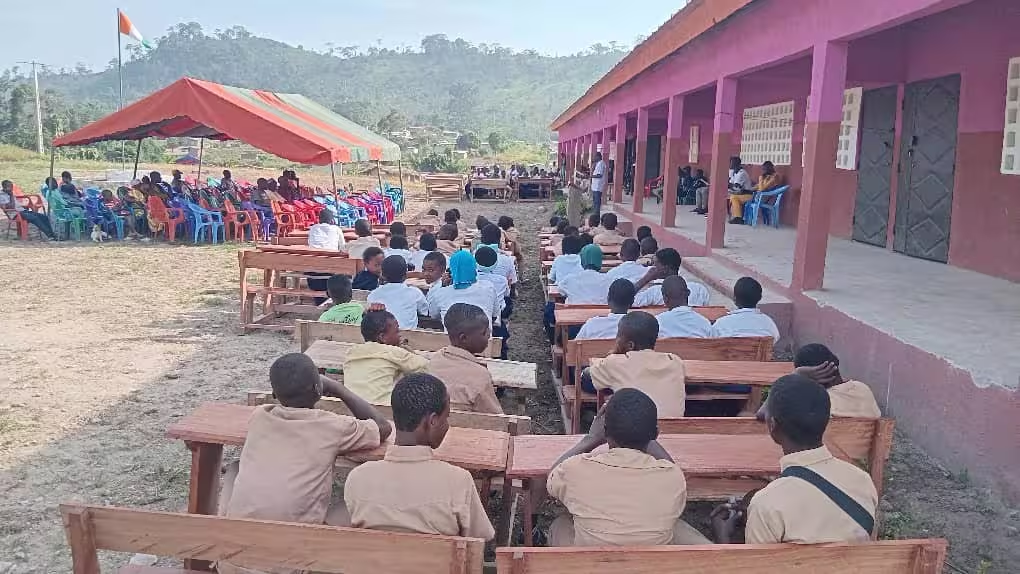
The klapleu modern middle school is a school established in a rural area. It is planned to operate on a two-track basis from sixth grade through ninth grade, which means a projected total of 8 classrooms. However, since its opening in 2025, there have been only 4 classrooms instead of the 8 planned. From 20 students at the start, there are now 173 students spread across 3 grade levels (6th, 5th, and 4th). The growing student enrollment. Therefore requires the construction and equipment of the remaining 4 classrooms.
The CRS school, founded in 1995, serves students from disadvantaged backgrounds. As a result, it faces many challenges that affect academic performance. In addition, the poor condition of the restrooms makes the children feel uncomfortable. Consequently, they relieve themselves outside the school.
For the past three years, we have been renting a room and space to house our preschool. We started with 40 students and now have 80. We serve students in the younger, middle, and older preschool classes, as well as a special education class designed to support children who left public school at a very young age, as well as those facing learning challenges, to help them overcome them. With our limited resources, we are struggling not only to build our own school but also to accommodate more students.