
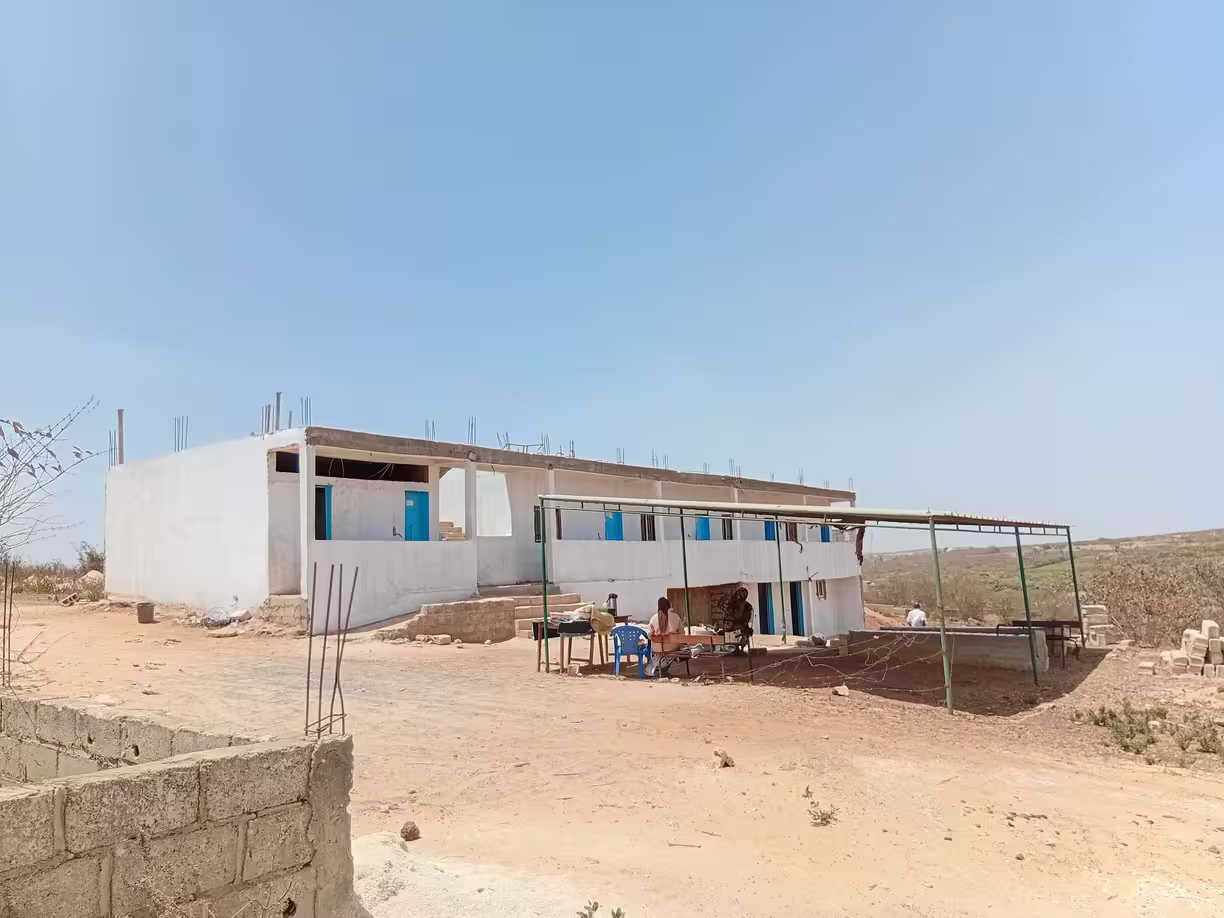

The school originally planned (32 classrooms) was not fully completed due to a lack of funding. The current capacity (6 classrooms) is insufficient to meet the needs of the village and the surrounding areas.


Muthara Progressive Academy in rural Kirinyaga County serves approximately 360 vulnerable children from low-income households. The school currently relies on temporary wooden classrooms that provide inadequate protection against heavy rainfall, dampness and cold weather. During rainy and cold seasons, these conditions make classrooms uncomfortable, disrupt learning and raise concerns about children's health and wellbeing. Due to limited financial resources, the school cannot replace all the wooden structures at once. It therefore seeks support to construct two permanent classrooms as the first phase of a gradual programme to provide safe, durable and child-friendly learning environments.

Muthara Progressive Academy, located in rural Kirinyaga County, Kenya, seeks financial support of €16,000 to construct two permanent classrooms to improve learning conditions for 360 vulnerable children from low-income households.
Currently, the school relies on temporary wooden classrooms that provide inadequate protection against heavy rainfall, dampness and cold weather. During rainy and cold seasons, the classrooms become uncomfortable for learners, disrupting lessons and raising concerns about children's health, safety and wellbeing. The school has limited financial resources and cannot replace all its temporary structures at once. It therefore proposes a phased infrastructure improvement programme, beginning with the construction of two permanent classrooms.
Project objectives
Construct two durable, permanent classrooms to replace two existing temporary wooden classrooms.
Provide safe, comfortable and weather-resistant learning spaces that protect children against rain, dampness and cold conditions.
Improve the learning environment, concentration, attendance and general wellbeing of vulnerable learners.
Strengthen the school's educational infrastructure and establish a foundation for gradually replacing the remaining wooden classrooms.
Materials and construction activities
The project will use locally available, durable construction materials, including:
Building stones or suitable masonry blocks for permanent walls.
Cement, sand, ballast and hardcore for foundations and concrete works.
Reinforcement steel where required by the structural design.
Roofing timber or steel supports and durable iron sheets.
Cement and other materials for strong, smooth classroom floors.
Doors, window frames, glass panes and secure fittings.
Plastering materials, paint and other finishing materials.
Plumbing or electrical fittings where required by the approved classroom design.
Construction activities will include site preparation, foundation excavation, construction of walls, roofing, installation of doors and windows, flooring, plastering, painting and final inspection.
Expected results
By the end of the three-month implementation period, the project expects to achieve the following:
Two fully completed permanent classrooms.
Replacement of two vulnerable temporary wooden classroom structures.
Improved learning conditions for approximately 360 children.
Better protection against rainfall, dampness and cold weather.
A safer, more comfortable and conducive environment for teaching and learning.
Improved school infrastructure that can serve present and future generations of learners.
Sustainability
The school management will take responsibility for maintaining the completed classrooms through regular inspections, cleaning and timely repairs. Parents and community members will be encouraged to support the maintenance of the facilities. The two classrooms will form the first phase of a long-term plan to gradually replace all temporary wooden classrooms as additional funding becomes available.
The total project budget is €16,000, covering construction materials, skilled and casual labour, transportation and related construction costs. Muthara Progressive Academy respectfully seeks Action For Africa's support to make this important improvement possible and provide vulnerable rural children with safer and better learning facilities.

Muthara progressive Academy
The classrooms are made of wood There is no school building Rainwater leaks into the classrooms There is a lack of school infrastructure

6 classrooms
1 administration building
1 multipurpose room
6 toilet blocks
1 water fountain

130 desks and benches
30 sets of teaching materials
Office furniture and chairs
3 computers and 2 printers
Construction
360
€16,000 (
Received


See all current projects
The school originally planned (32 classrooms) was not fully completed due to a lack of funding. The current capacity (6 classrooms) is insufficient to meet the needs of the village and the surrounding areas.