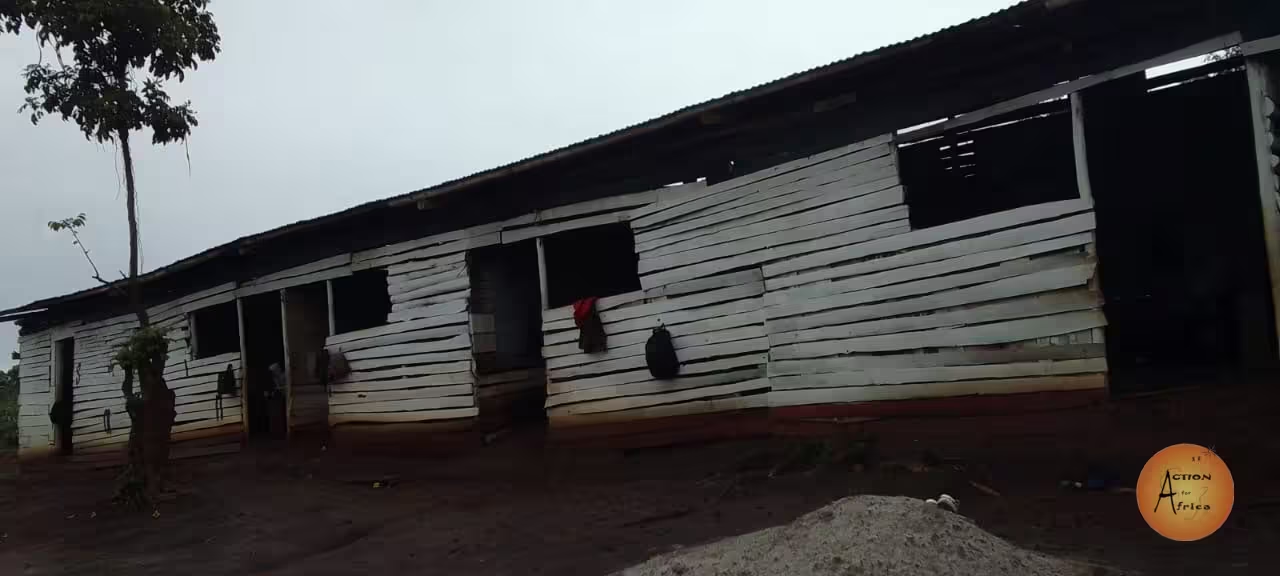

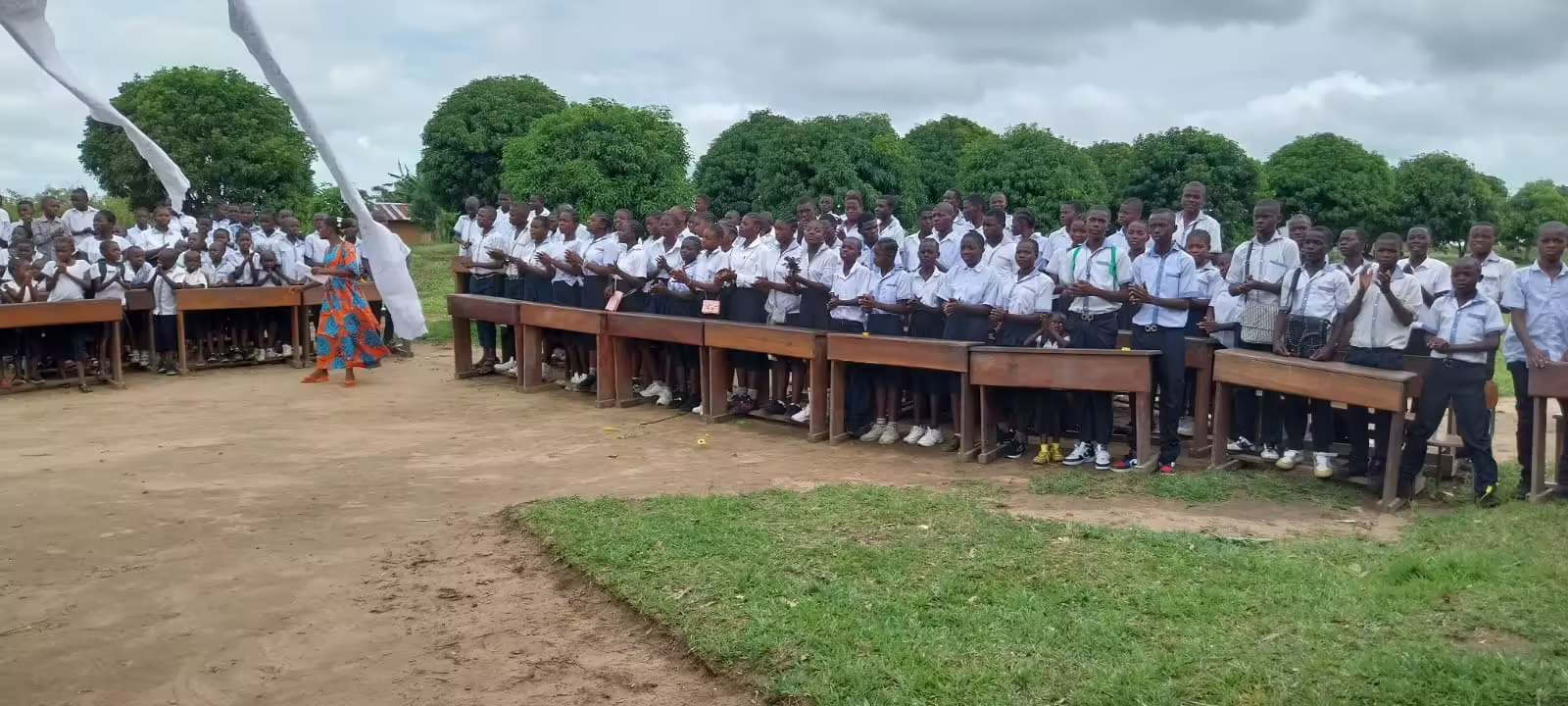
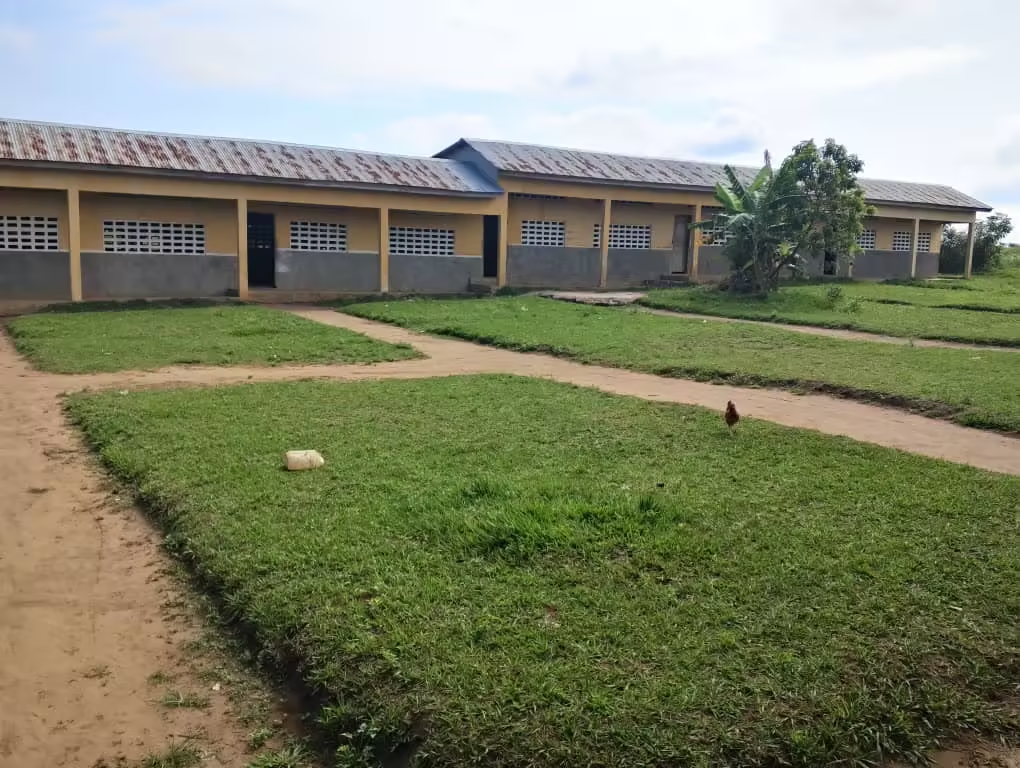
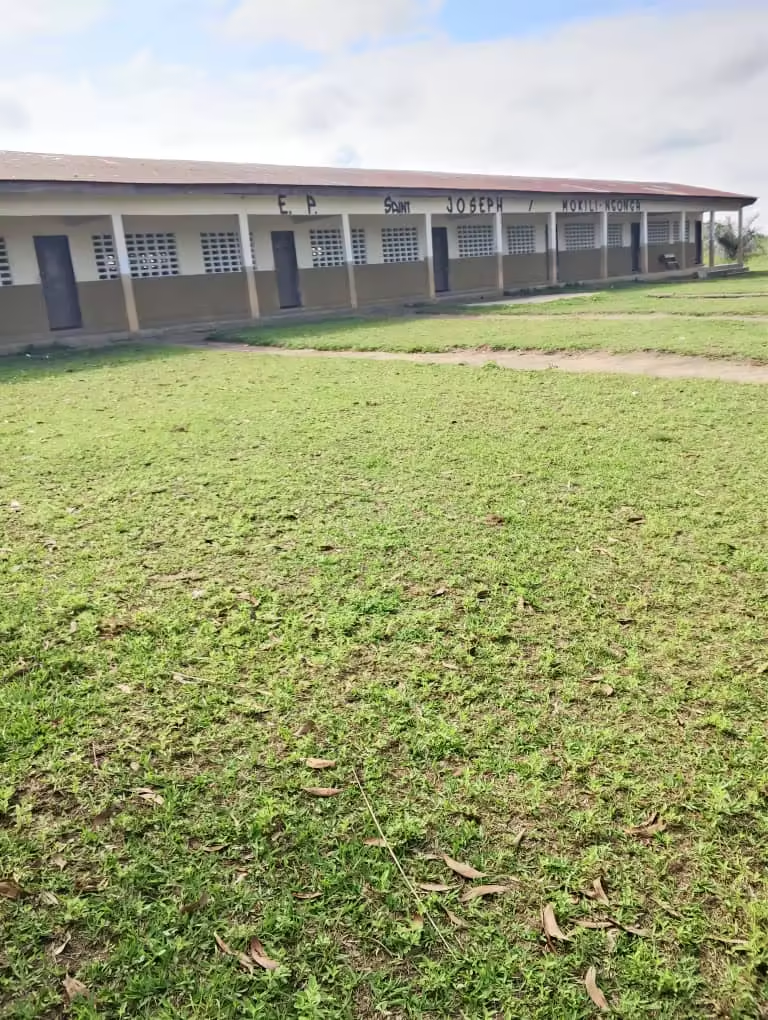
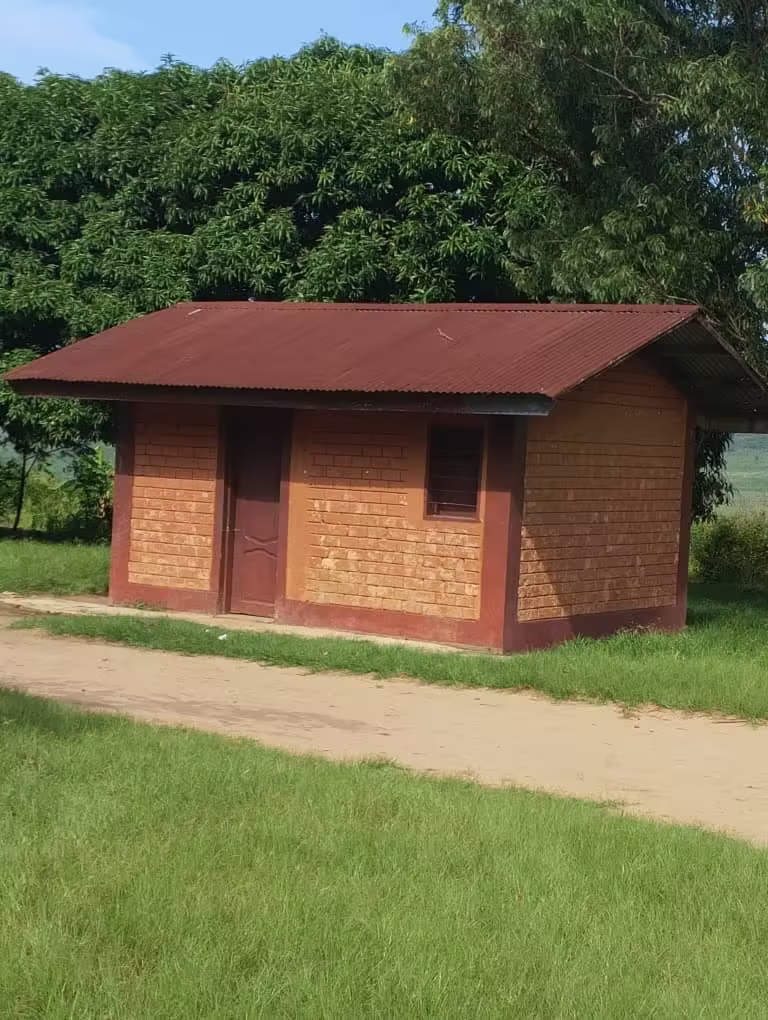
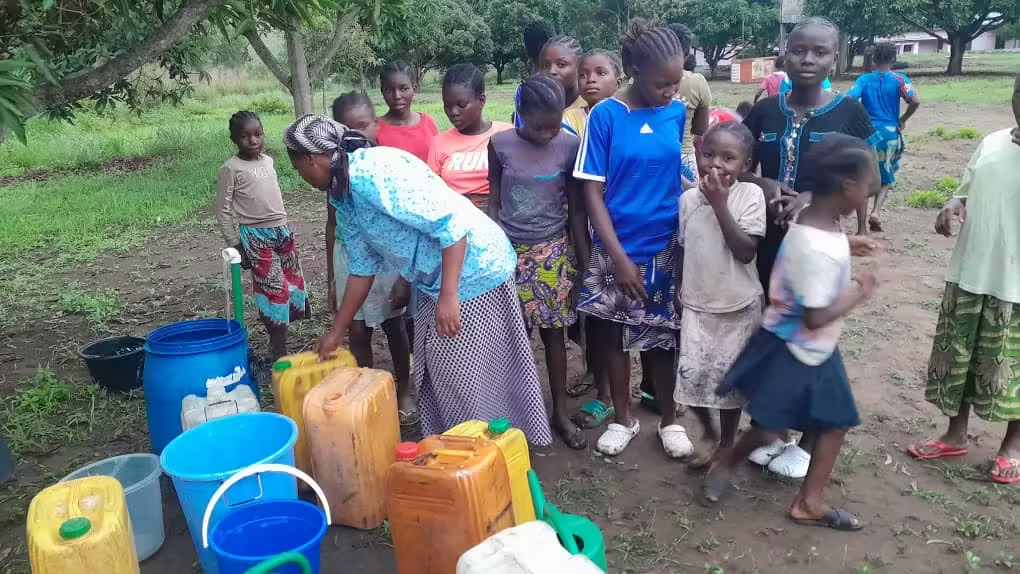
The school have temporary buildings which built by wooden structures and the class rooms aren’t enough. Inadequate classroom equipments like furniture desks, toilet, sanitation equipments (water)


The schoolComplexe Scolaire Jean Pierre Médaille.is located precisely in the villageMpuki N'Selein the city ofKinshasa-Maluku. Country : RD Congo/Central Africa.The school needsEquipementof classrooms, equipments and school infrastructure.
Complexe Scolaire Jean Pierre Médaille.
Lack of Textbooks Lack of Teaching Materials No Drinking Water Supply System
Equipement
Lack of Textbooks and Teaching Materials for 250 Students from Vulnerable Families

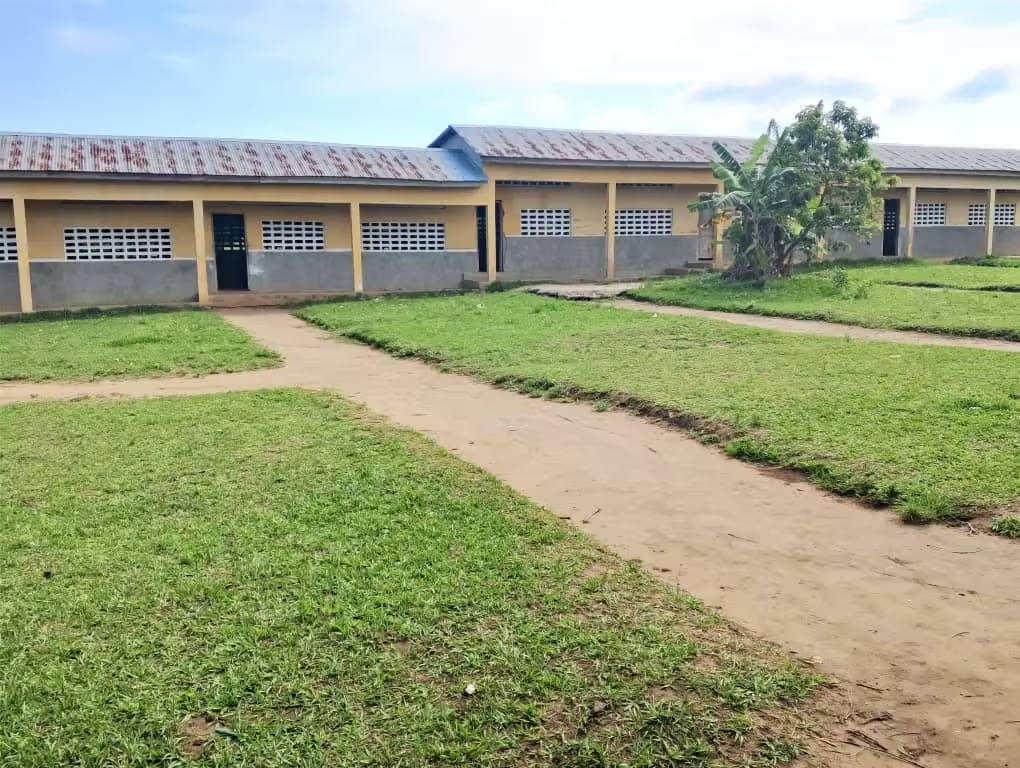
The project "Improving the Quality of Education and Access to Textbooks for 250 Vulnerable Students at the Jean-Pierre Médaille School Complex in Plateau de Batéké, Kinshasa, DRC" aims to improve the learning conditions of 250 children from vulnerable families by facilitating their access to textbooks and essential teaching tools. Through the provision of textbooks aligned with national curricula, the project intends to strengthen reading, writing, and numeracy skills, improve academic performance, and promote equal opportunities for girls and boys. It will thus contribute to providing children with a better quality educational environment and fostering their academic success and holistic development.
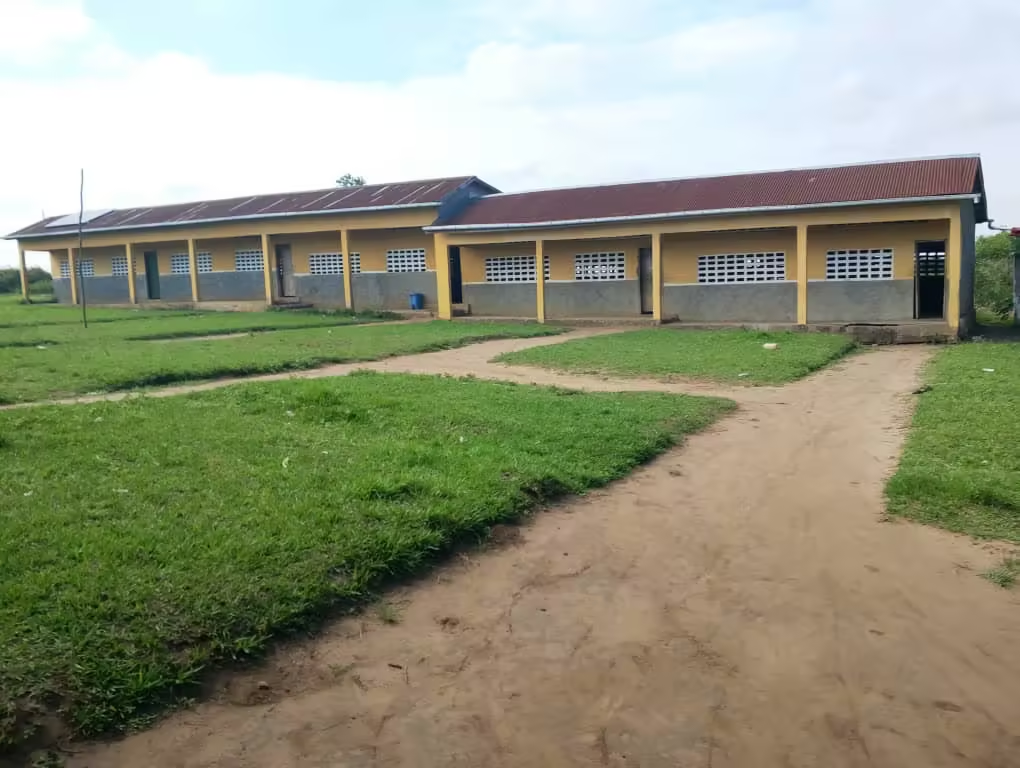

Multipurpose room
School fence

Drinking water pump/well

250 textbook kits
80 sets of teaching materials
3 computers + 2 printers
Equipement
250 élèves
To be estimated
Received

See all current projects
The school have temporary buildings which built by wooden structures and the class rooms aren’t enough. Inadequate classroom equipments like furniture desks, toilet, sanitation equipments (water)
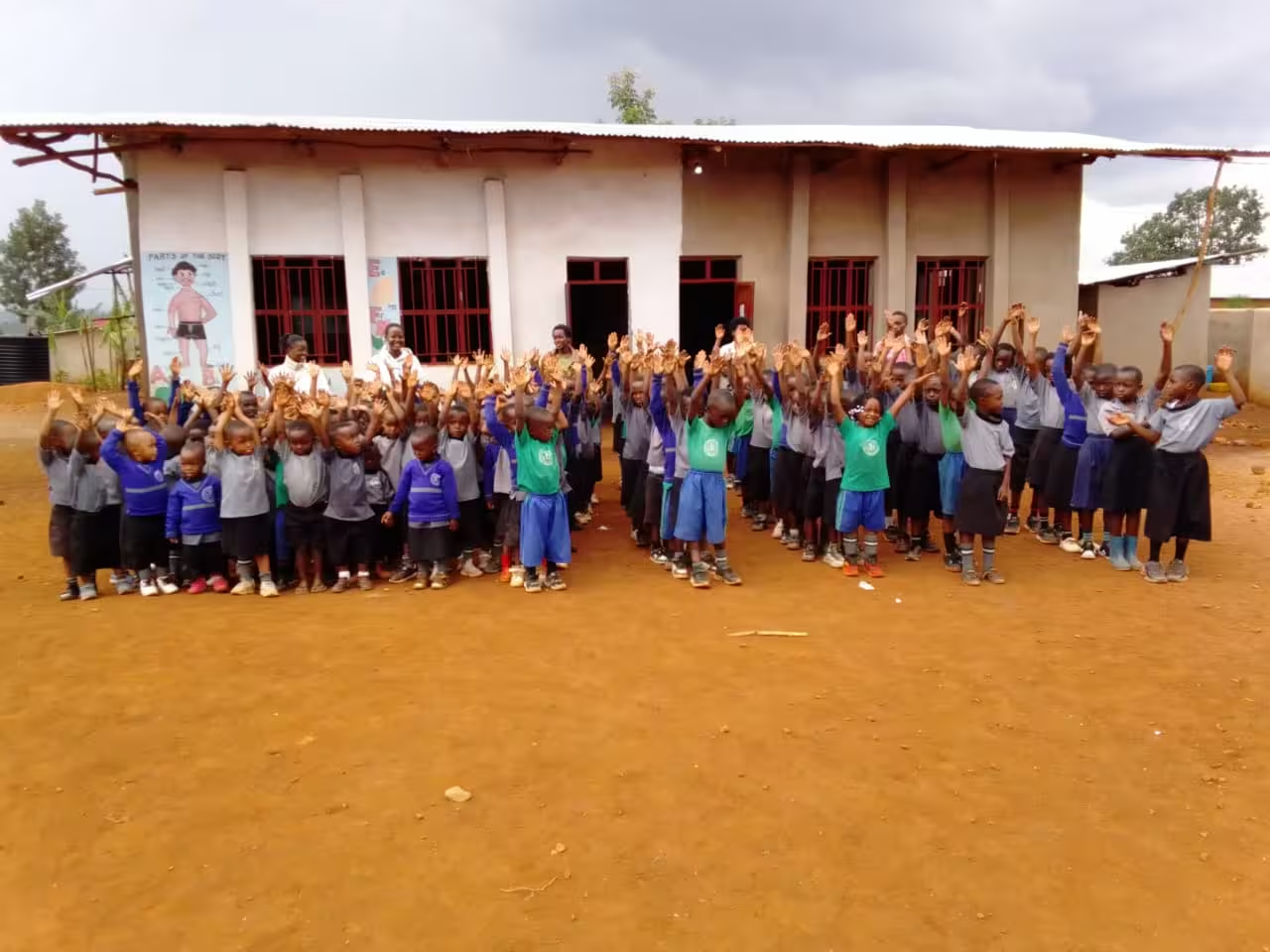
MU RUGO RUGALI GARILEA serves 143 children in a community where the school seeks to contribute to access to early childhood and primary education. Although the school has classrooms and a team of teachers and support staff, its infrastructure remains limited.Five of the seven existing classrooms are old and all seven are not enough to receive all the available customers where 77 pending children in this first term 2026 have not yet been registered.
The school also lacks a dedicated library, a suitable kitchen building and a dining hall. In addition, the school seeks a perimeter fence to define the school boundary and improve the management and security of the compound.
The school intends to extend its educational provision to Primary Five and Primary Six next academic year 2027-2028, subject to the required authorization but right now an urgent need is on expanding baby class and Primary one where we have ready children but no classes to put them in. Additional classroom space is therefore a priority. A library would give children greater access to storybooks and reference materials. A dedicated kitchen and dining hall would help organise meal preparation and pupils' meals more appropriately.
The school needs additional classrooms to support its planned expansion to find where to put received client in this first term that started on 07/09/2026 where we had 220 children but we managed to accommodate 143 only, others are still not registered and are willing to come any time we get two at least two classes to put them in. It also needs a library to encourage reading, a kitchen for food preparation, a dining hall for pupils' meals, and a perimeter fence to help define and secure the school compound.
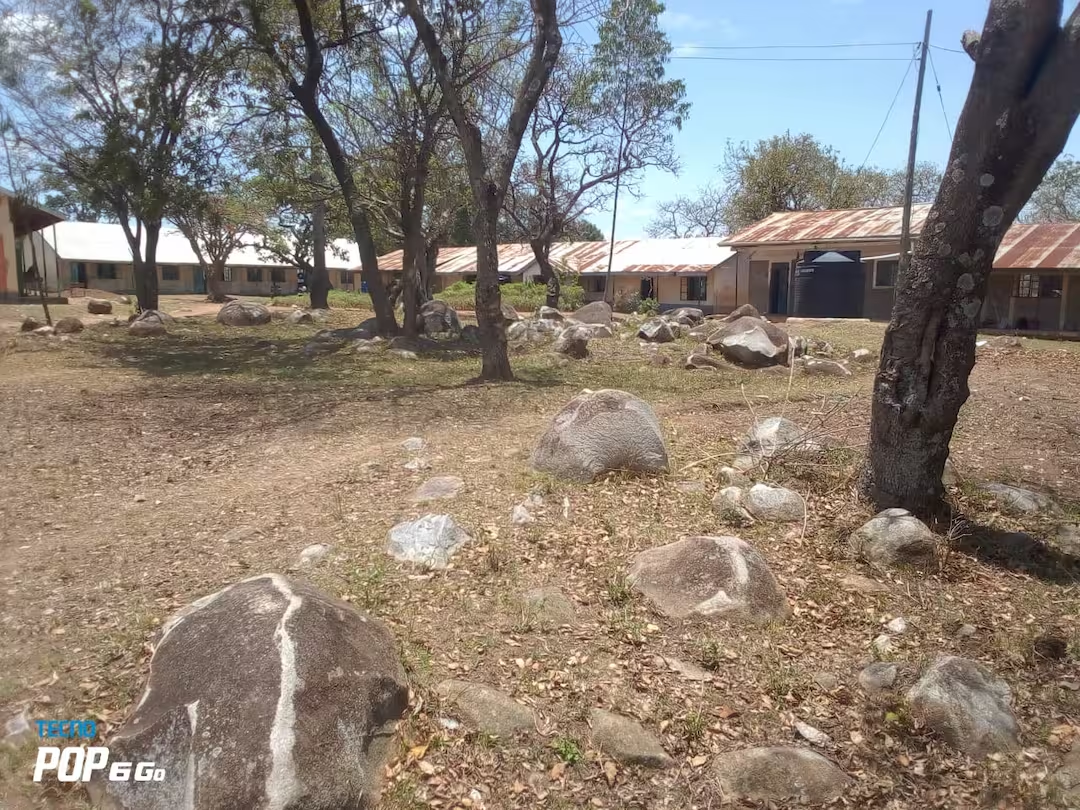
Wimagak Primary School currently serves 524 learners, comprising approximately 262 girlsand 262 boys from predominantly low-income households. The school faces severe classroom shortages due to increasing enrolment and the implementation of Kenya's Competency-BasedCurriculum (CBC) and Junior Secondary School (JSS) programme.The school currently has only eight classrooms, four of which are inadequate andovercrowded. PP1 and PP2 learners lack dedicated classrooms, compromising early childhoodlearning outcomes.
Wimagak Primary School currently faces a critical shortage of learning space.
Despite serving 524 learners, the school operates with only eight classrooms. Four of these classrooms are undersized and inadequate, while PP1 and PP2 learners lack proper classrooms entirely.