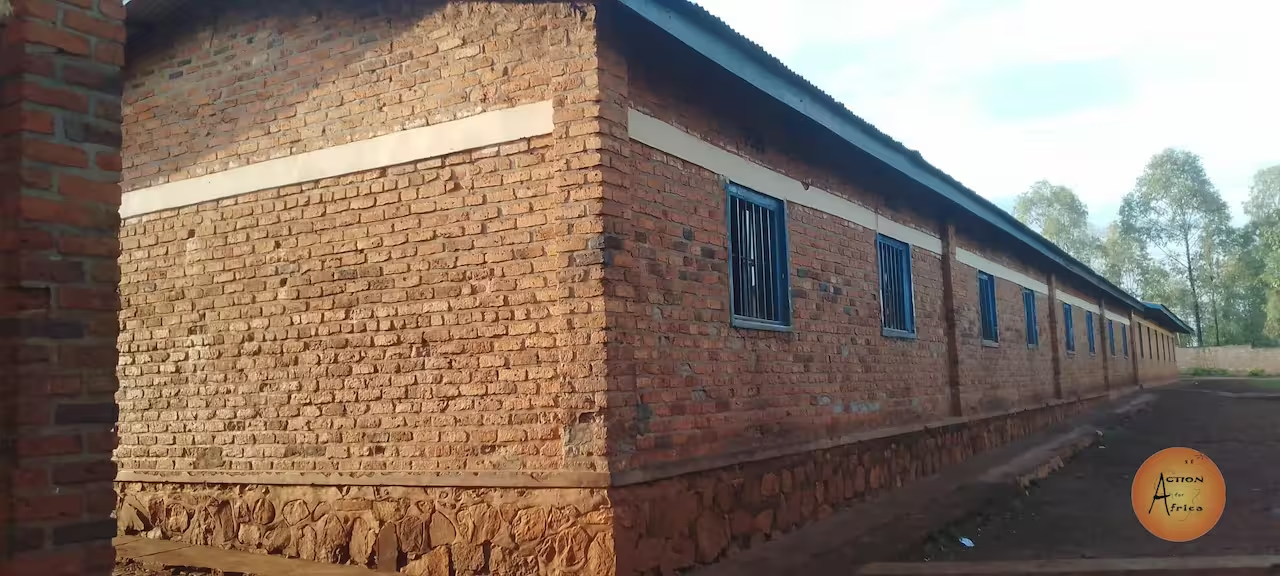
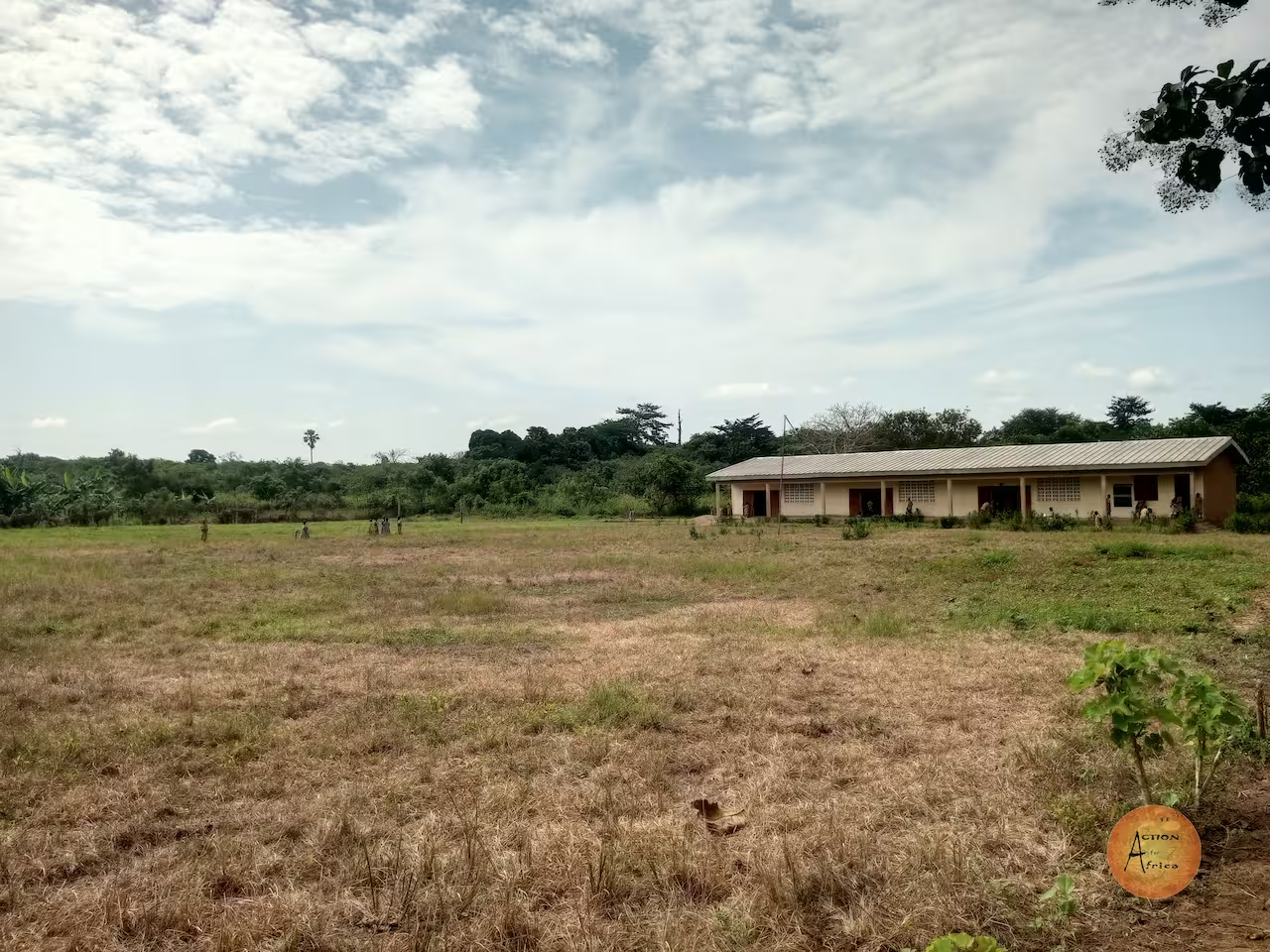
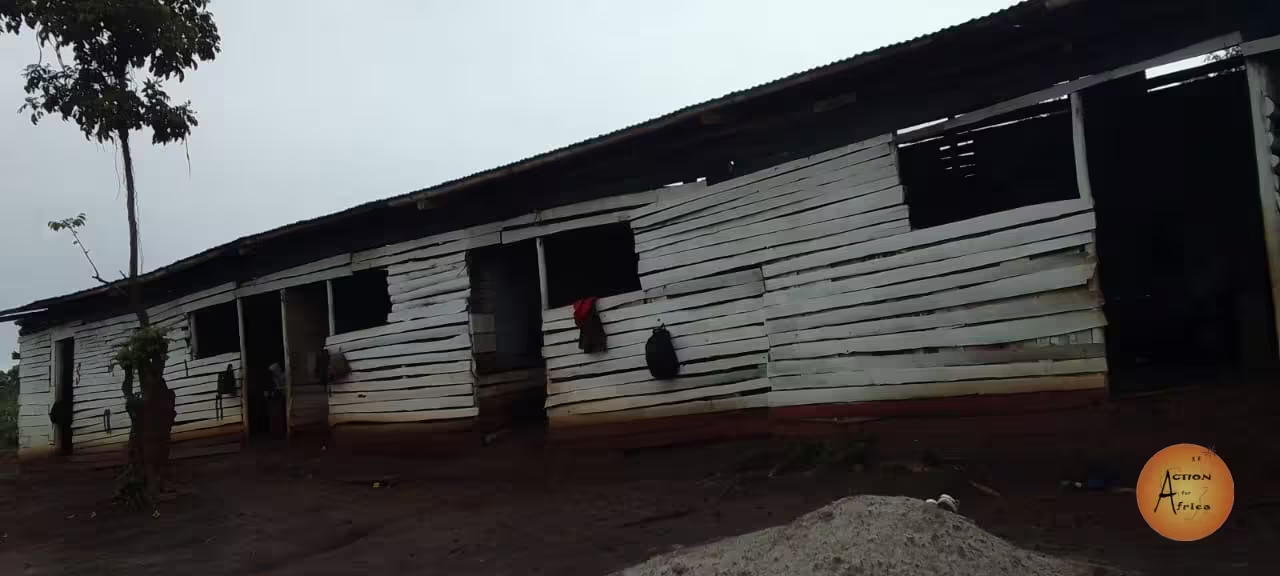
Lack of fuel for school transport; lack of school materials and equipment; lack of teacher training; lack of training and capacity-building for pupils; inadequate school infrastructure; lack of clothing and school supplies; lack of financial and material support; and the need to protect and promote the rights of deaf children
EDUCATION SUPPORT PROJECT / INCLUSION
Project to support the inclusive education of deaf children in primary schoolLocation: Goma, North Kivu, Democratic Republic of the Congo
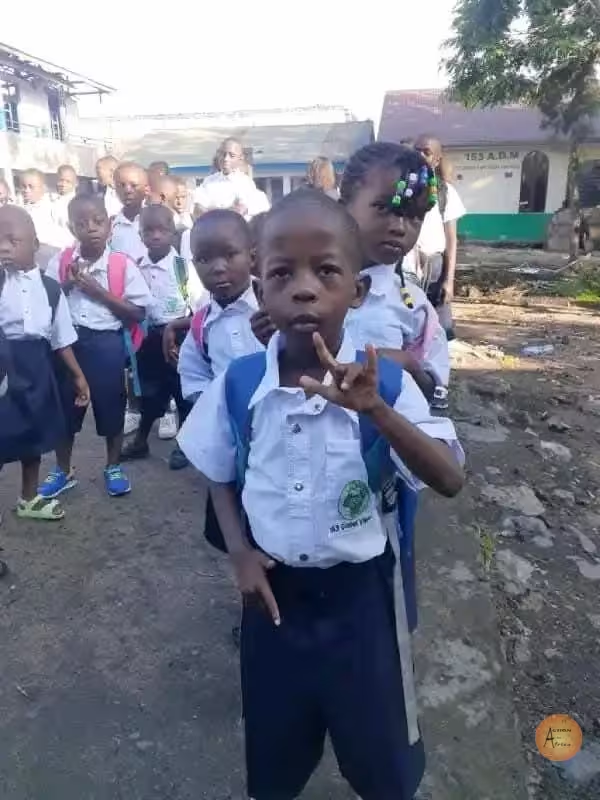
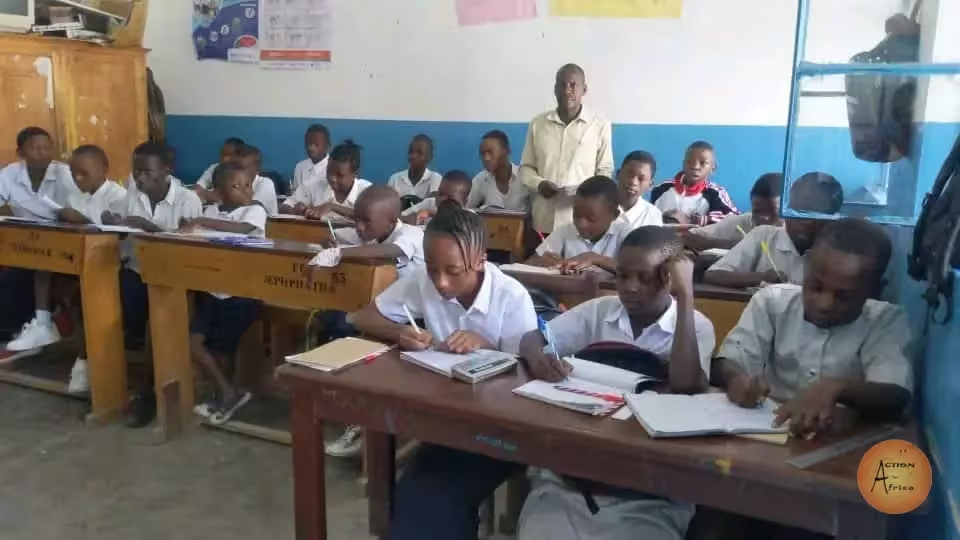
Number of pupils: 156
Number of teachers: 12
Duration: To be determined
Context and rationale
Access to quality education is a fundamental right for every child, including deaf children and children with disabilities. However, families’ financial difficulties and a lack of appropriate teaching resources can limit school attendance and the quality of learning. This project aims to improve learning conditions for the 156 pupils and working conditions for the 12 teachers, through support in the form of fuel for the school bus, teaching materials, uniforms and school supplies.
2. Overall objectiveTo contribute to improving access to inclusive, high-quality education for deaf children in primary school.
3. Specific objectives
• Ensure the continuity of school transport by ensuring the availability of fuel.
• Provide teaching materials to the 12 teachers and pupils.
• Facilitate access to school uniforms for the 156 pupils.
• Provide the necessary school supplies.
• Strengthen inclusive teaching practices, particularly the use of visual aids and sign language.
4. Beneficiaries
• Direct beneficiaries: 156 pupils and 12 teachers.
• Indirect beneficiaries: families, the school management and the community.
5. Main activities
1. Identify and confirm the needs of the 156 pupils and 12 teachers.
2. Purchase the fuel required to run the school bus.
3. Purchase and distribute school uniforms.
4. Purchase school supplies.
5. Procure appropriate teaching materials.
6. Monitor purchases and distribution.
7. Prepare a narrative and financial report.
6. Indicative provisional budget
The budget below is an initial estimate to be validated on the basis of local prices and actual needs.No. | Description| Quantity| Estimated unit cost| Total USD1| Fuel for the school bus| Lump sum| $600| $6002| School uniforms| 156 pupils| $20| $3,1203| Exercise books and school supplies| 156 kits| $15| $2,3404| Teaching materials for teachers| 12 kits| $50| $6005| Adapted visual and teaching aids| Lump sum| $400| $4006| Transport and distribution of materials| Lump sum| $150| $150| ESTIMATED GRAND TOTAL| | | $7,210
DESCRIPTION
QUANTITYUNIT COST ESTIMATED ITEMISED TOTAL USD
01 Fuel for the school bus Flat rate $3,800 $3,800$
02 School uniforms| 156 pupils| $20| $3,120156 pupils $20$3,120$
03| Exercise books and school supplies|156 kits $15 $2,340$
04 Teaching materials for teachers| 12 kits| $50| $600|
05 Adapted visual and teaching aids| Fixed cost $400| $400|
06 Transport and distribution of materials| Fixed cost $150| $150|
07 ESTIMATED GRAND TOTAL| $8,070|
Note: the amounts are indicative. The fuel allowance will need to be calculated based on the bus’s fuel consumption, the routes and the duration of the project. Uniforms and school supplies will be adjusted according to families’ needs and local market prices.
7. Expected outcomes
• The 156 pupils benefit from better learning conditions.
• Priority needs for school uniforms and stationery are met.
• The 12 teachers have access to appropriate teaching resources.
• School transport is supported within the limits of available resources.
• School attendance among deaf children is improved.
8. Monitoring and evaluation
The school management and project leaders will monitor the activities. Supporting documents, lists of beneficiaries, invoices and distribution reports will be used to verify the use of funds.
9. Conclusion
The support requested will help to strengthen inclusive education and improve learning conditions for deaf children. Mobilising financial and technical partners is essential to meet the school’s priority needs.
Done at Goma, on: 22 October