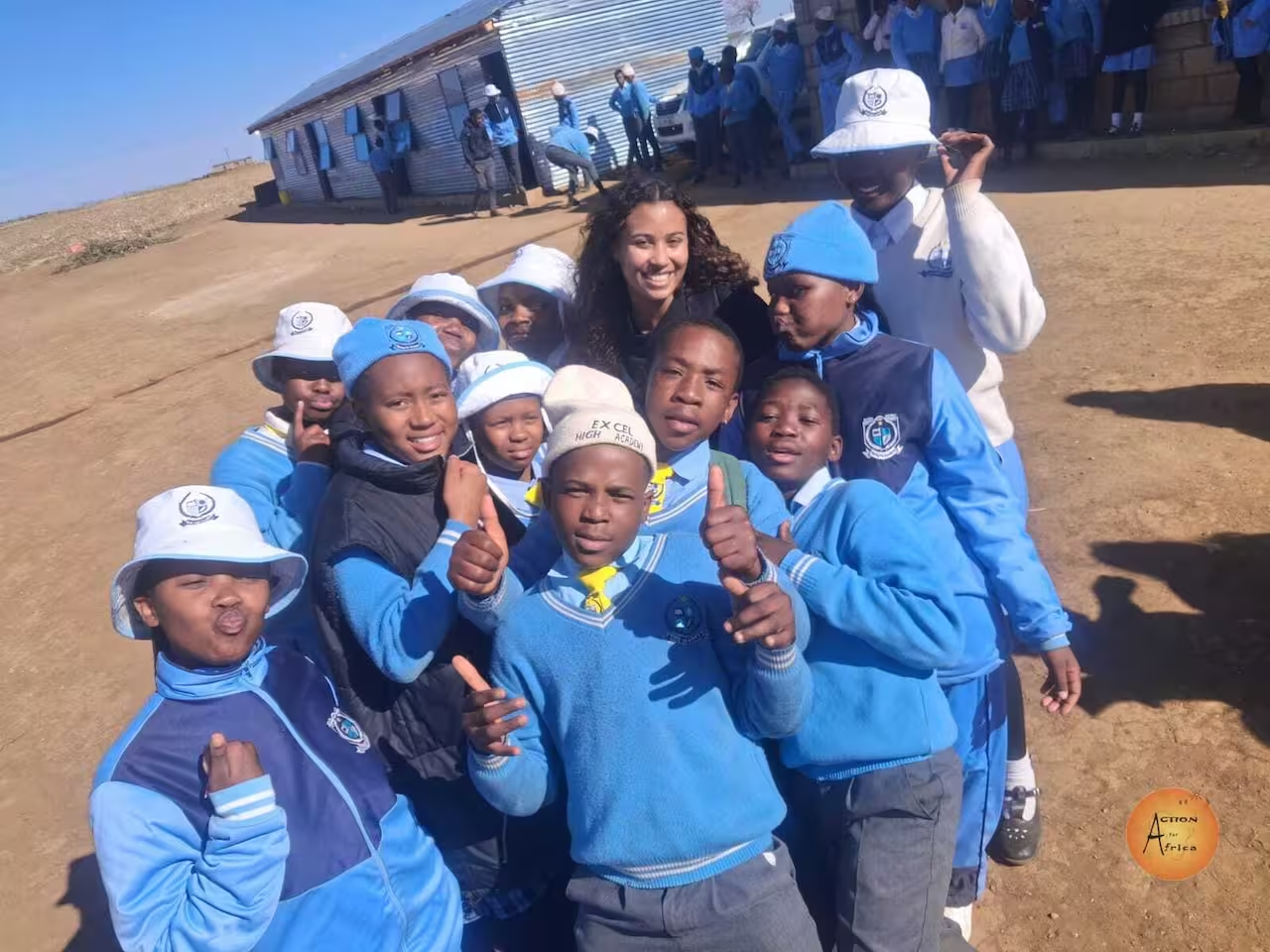
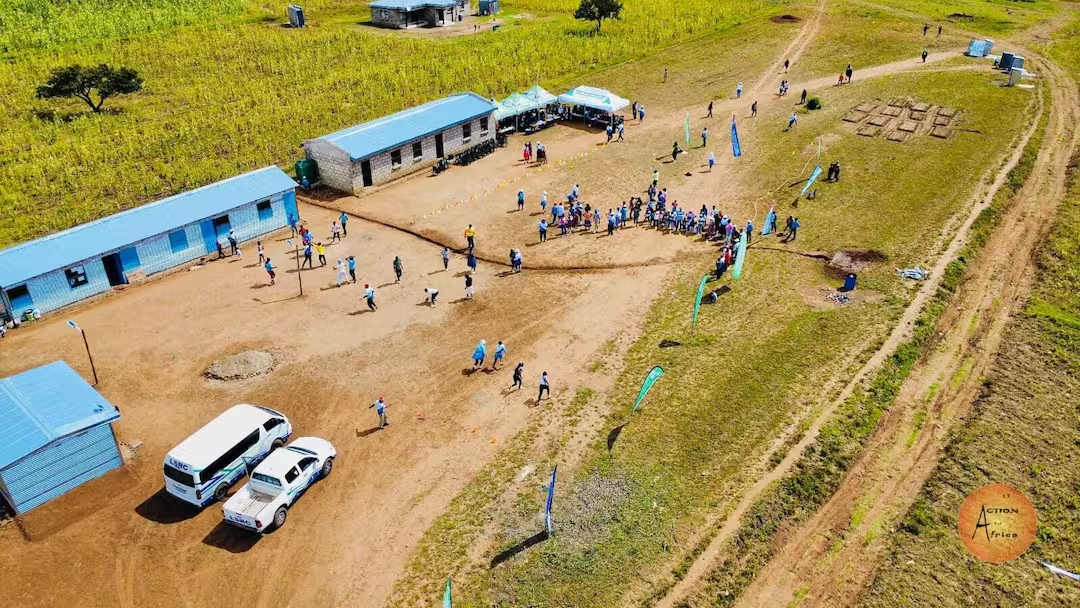
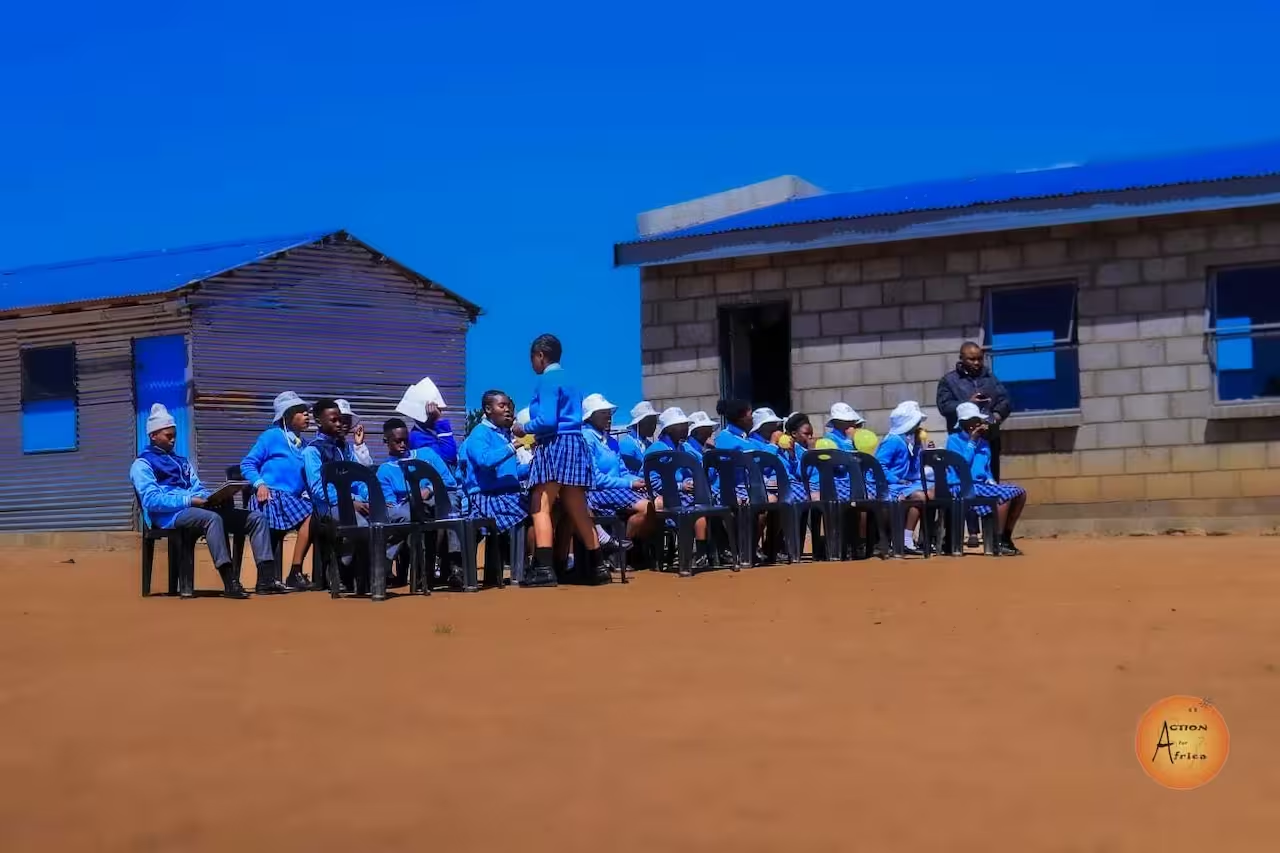
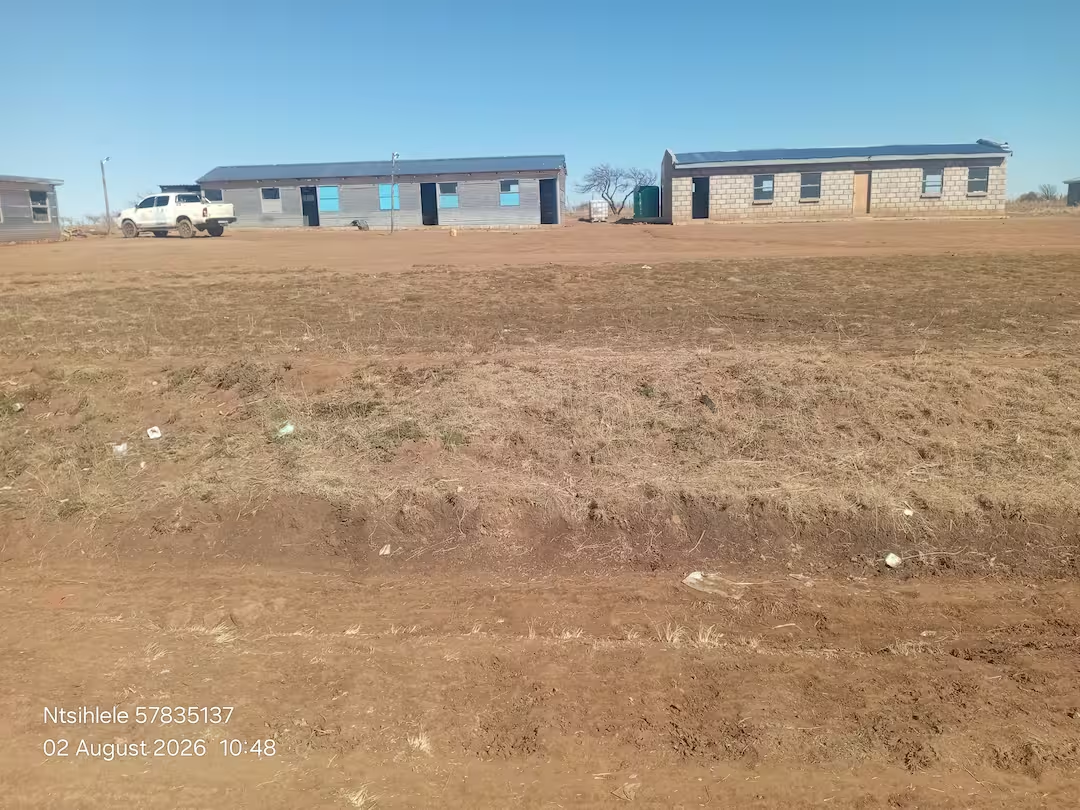
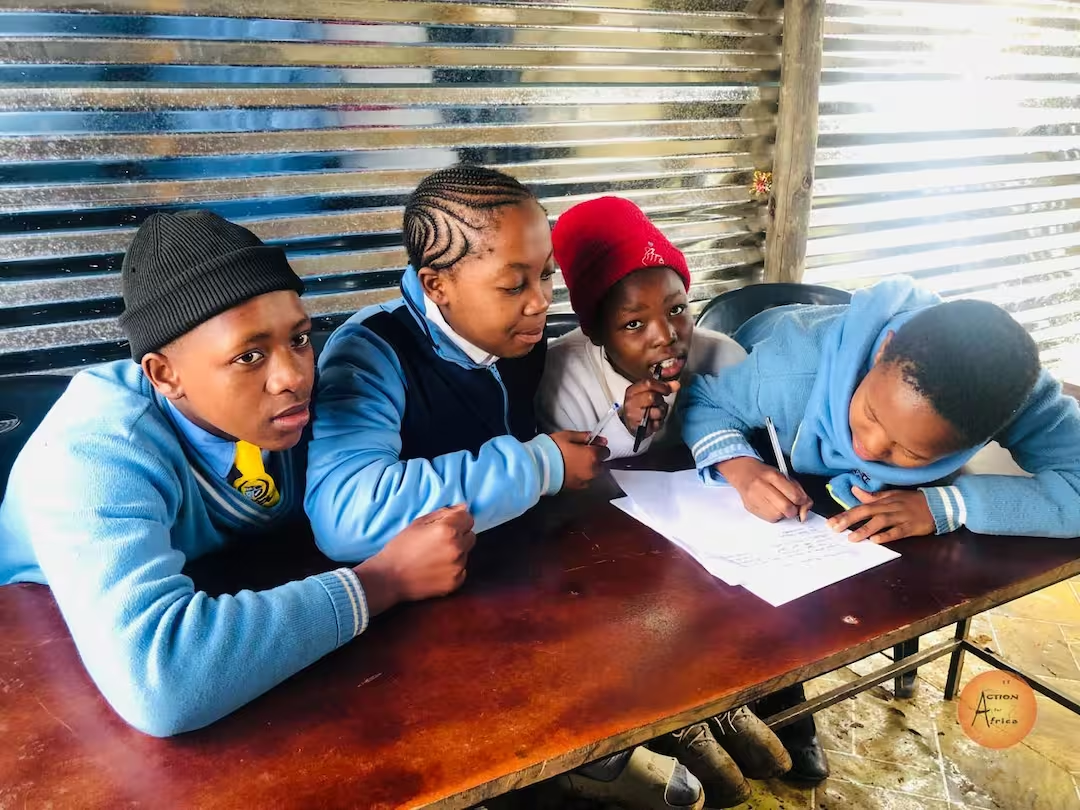
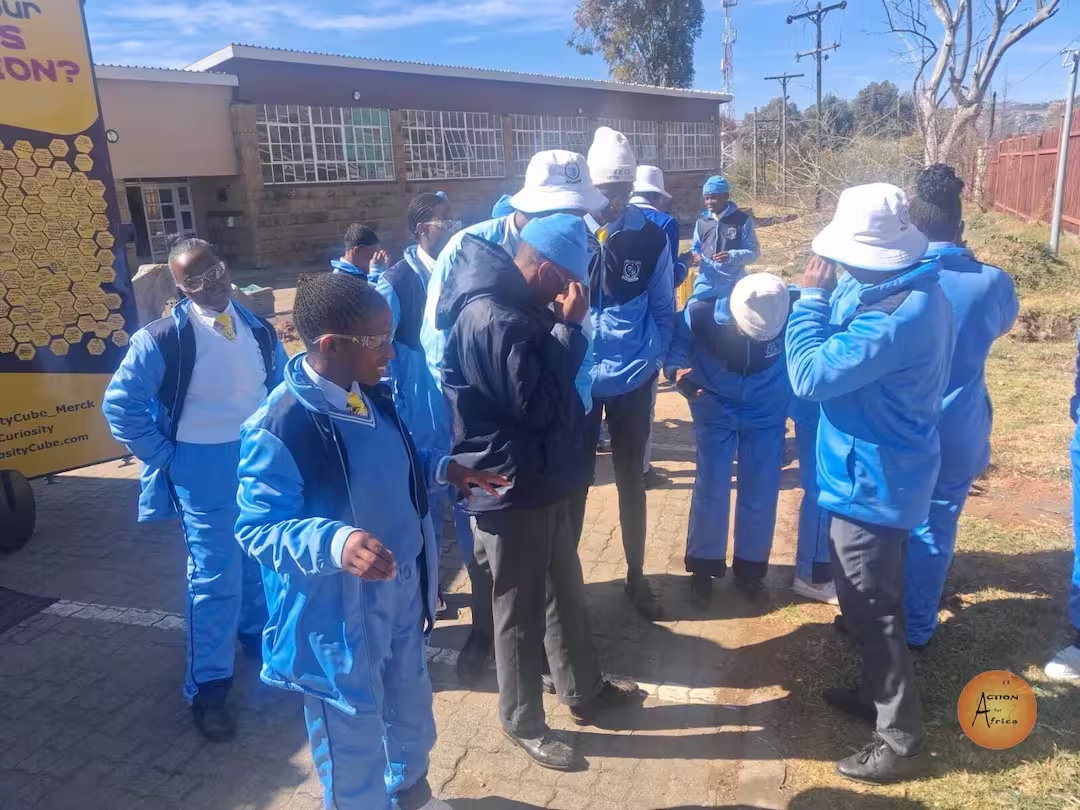
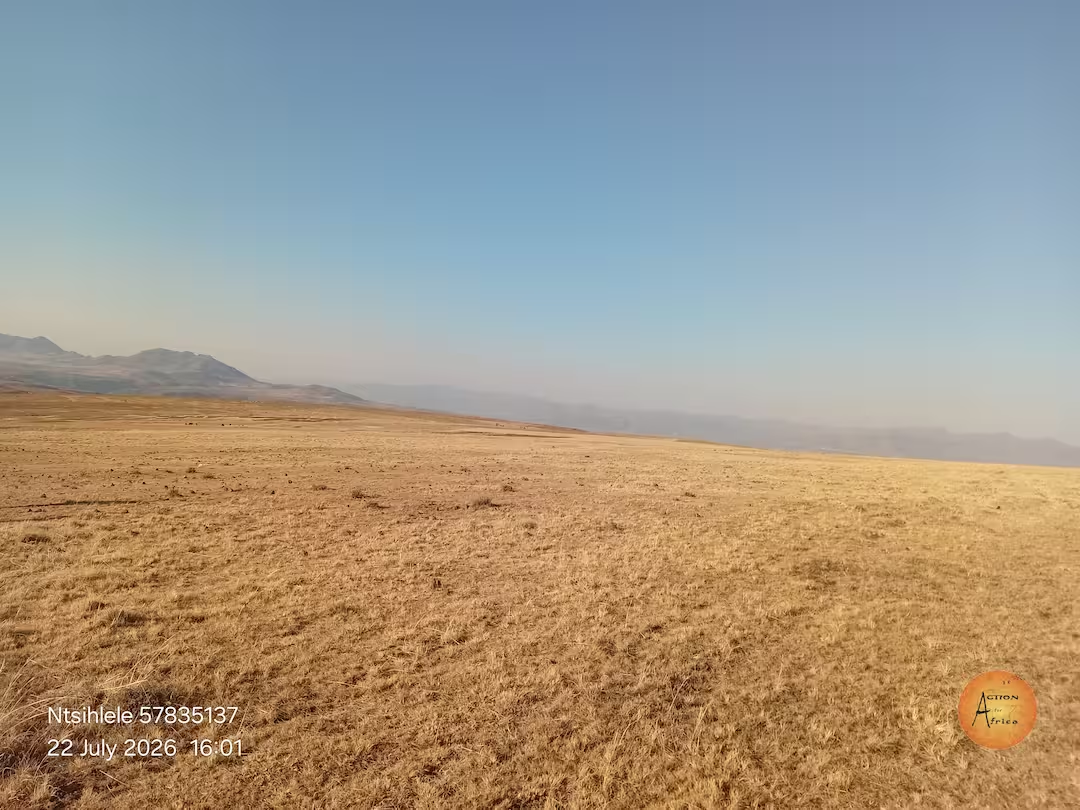
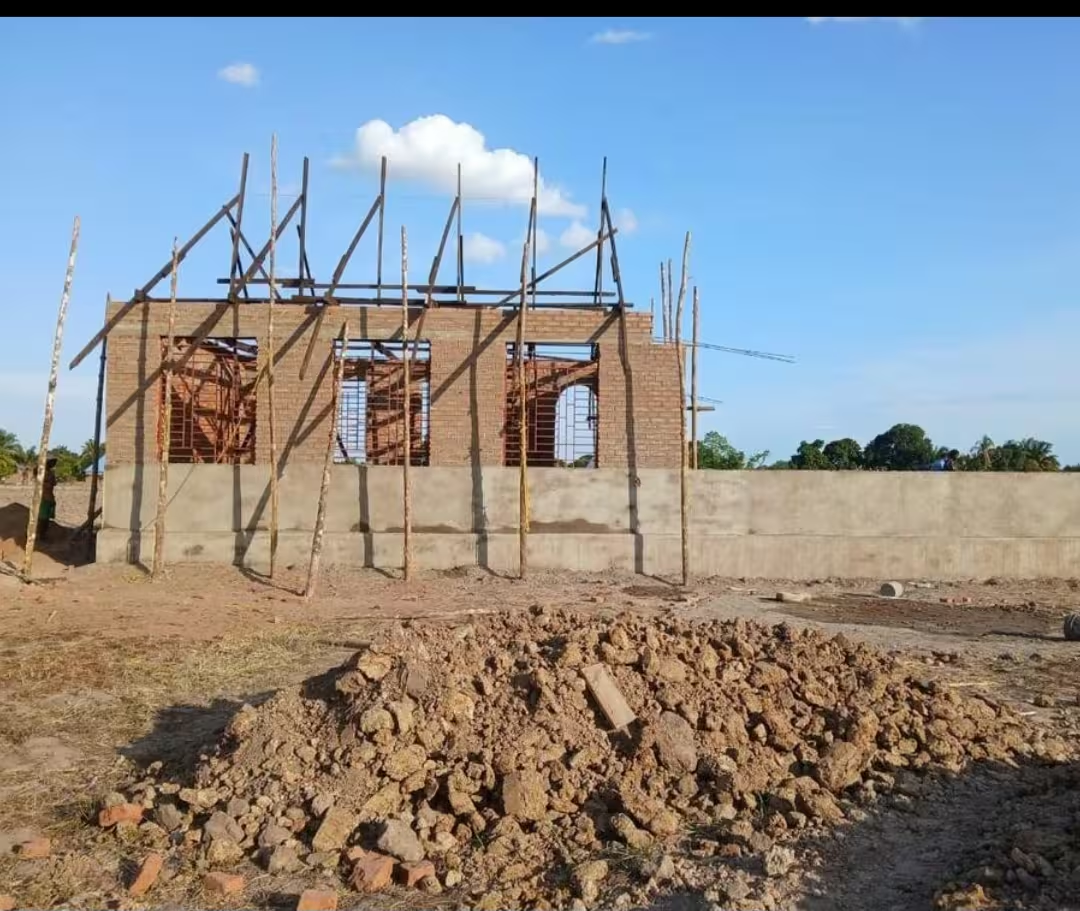
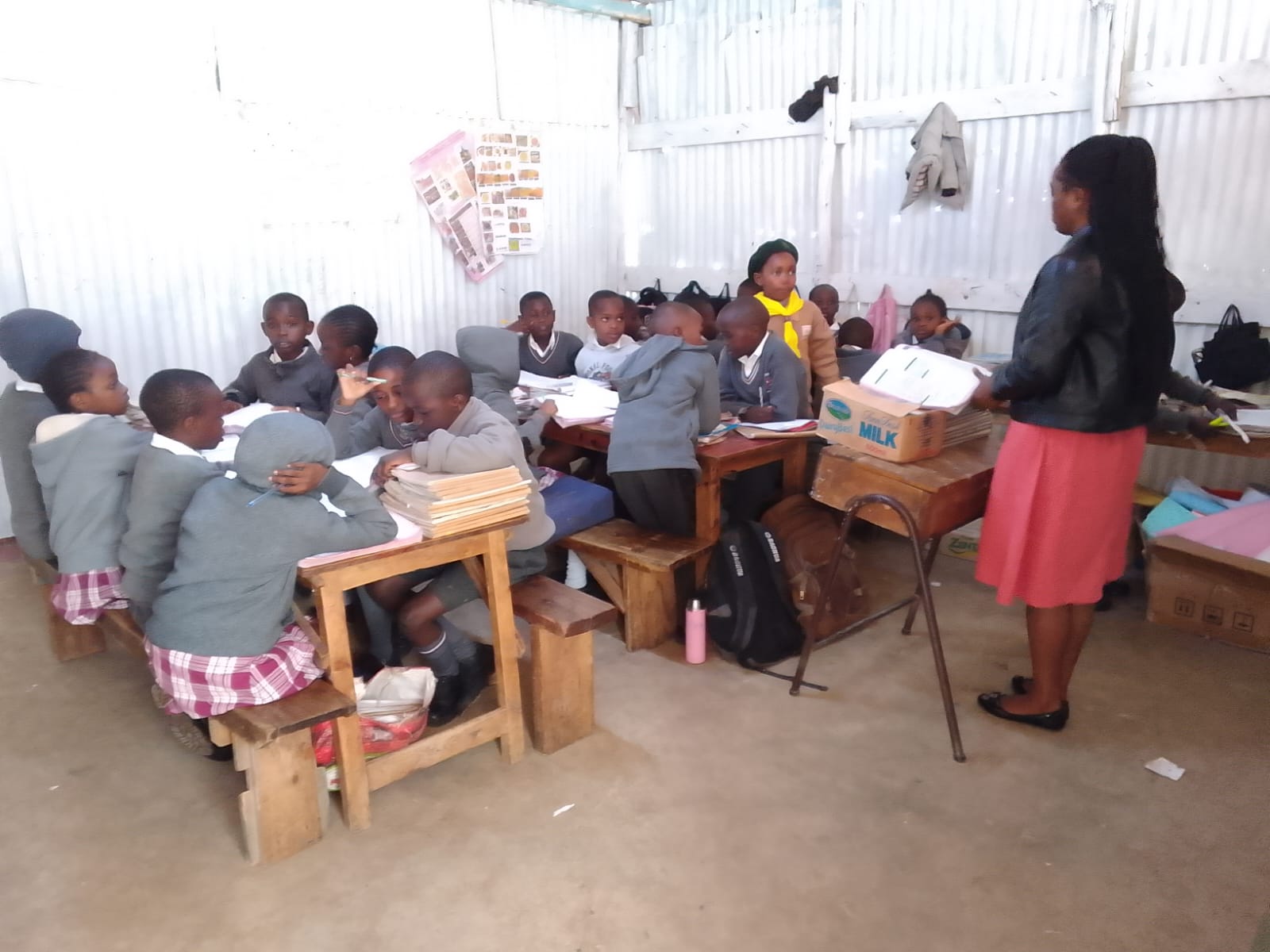
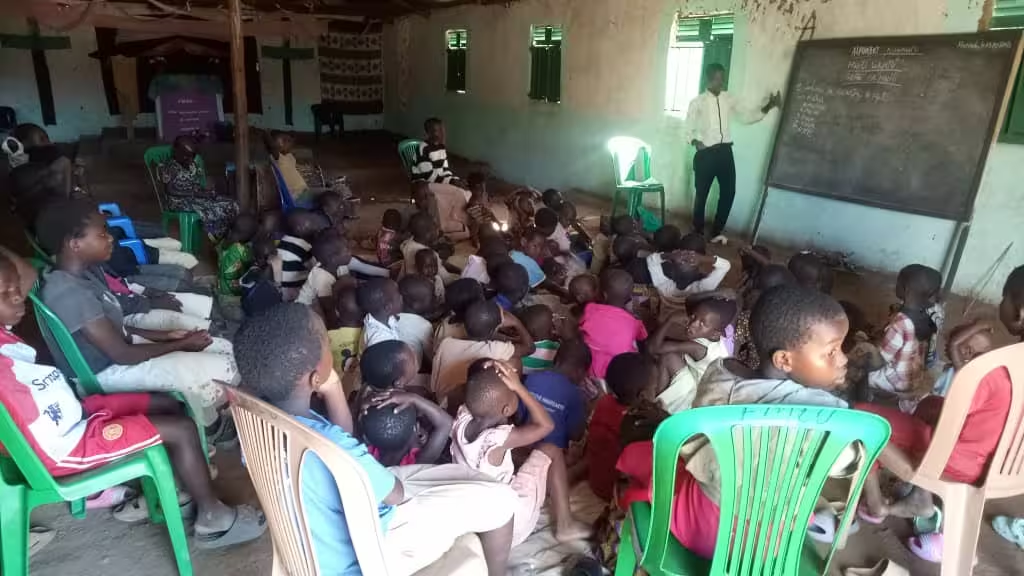
We are a rural school in Lesotho, Excel High Academy. Our school does not have proper buildings that meet the required standards for final examinations. Because of this, our students are forced to travel long distances from our rural area to urban centres to write their final examinations.This long-distance travel causes high transport costs for parents, safety risks for learners, and stress that affects their performance in examinations.
We are therefore seeking support to build a proper examination hall / permanent classrooms at our school premises, so that our learners can write their examinations in a safe, dignified and conducive environment at their own school.
Project Title: Construction of Examination Hall and Classrooms for Excel High Academy
Objectives:
The main objective of this project is to construct a permanent examination hall and classrooms at our school premises to enable our learners to write their final examinations at school.
Specific objectives are:
1. To build an examination hall that can accommodate 100 learners at a time.
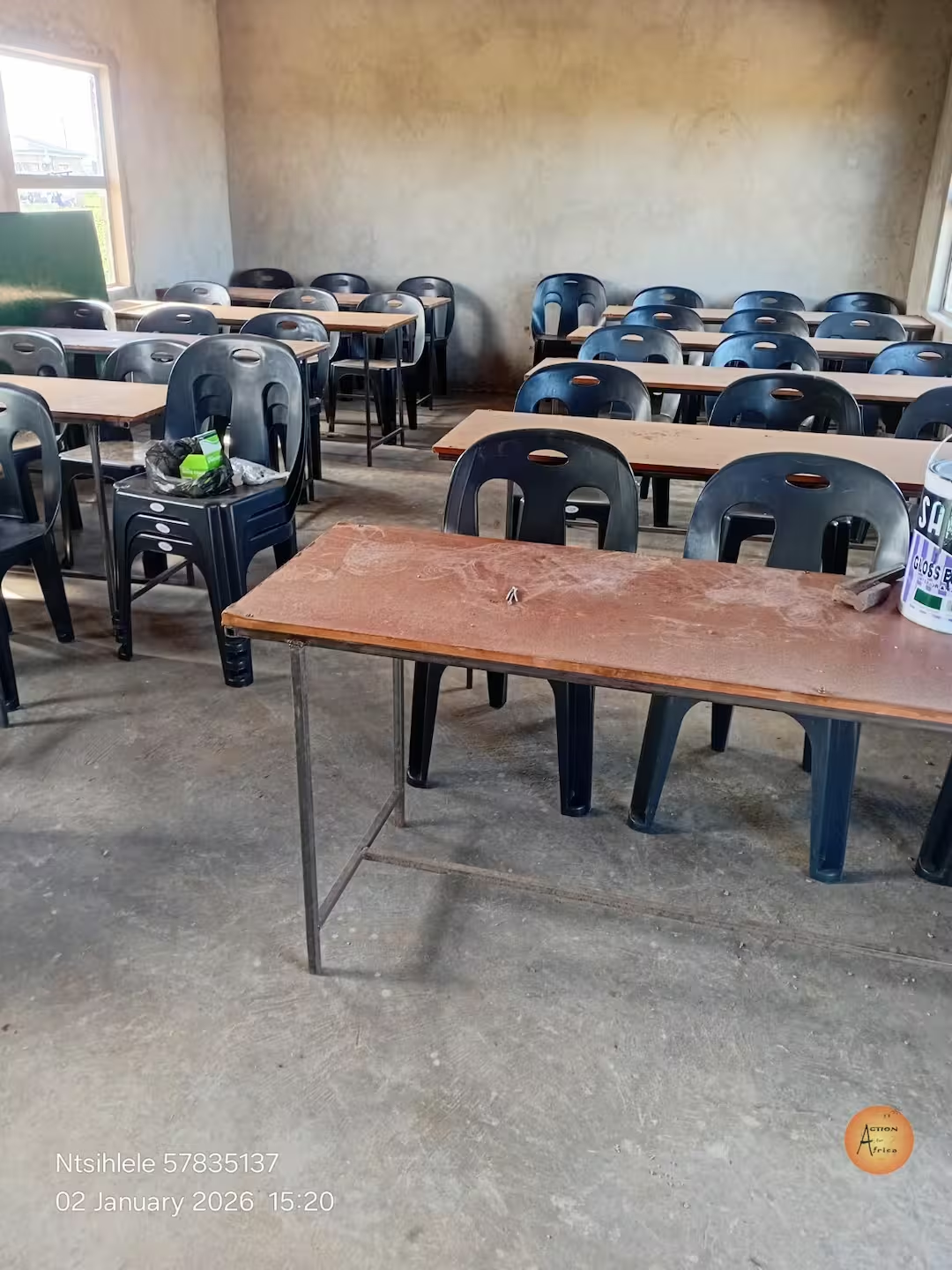
2. To provide safe, permanent, and weather-proof classrooms that meet Ministry of Education standards.
3. To eliminate the need for learners to travel from rural to urban areas for examinations.
4. To improve academic performance and increase school enrolment.
Material Requirements:
To complete this project we will need: cement, building bricks/blocks, river sand, roofing sheets, timber and trusses, windows and doors, flooring materials, electrical installation, paint, and classroom furniture (100 desks and chairs, tables for invigilators). We will also need skilled labour including builders, carpenters and electricians.
Expected Results:
1. Our students will be able to write all final examinations at our own school starting from the next examination season.
2. Reduced financial burden on parents for transport and accommodation during examinations.
3. Improved learner safety, comfort and academic performance.
4. The hall will also serve as a multi-purpose hall for learning, school meetings and community gatherings.
5. The project will ensure long-term sustainable education for vulnerable children in our rural community.