Context and Problem StatementRwanda has placed inclusive basic education at the heart of its national development strategy. The local NGO ACDS actively works in this area through the management of its school, "La Fraternité". However, faced with local population growth
NGO Name: ACDS (Christian Action for Social Development)
RGB Registration No: 508/RGB/NGO/LP/05/2019
Kigali, Rwanda
CONCEPTUAL NOTE FOR THE SCHOOL RECONSTRUCTION PROJECT
Project: Modern reconstruction with additional floors and equipment for the "La Fraternité" nursery and primary school
Location: Republic of Rwanda
Direct beneficiaries: +600 students (nursery, preschool, and primary levels)
Total construction budget: 650,000,000 RWF (393,345.74 EUR)
Current technical status: Secured land (owned by the SCHOOL), Building permit obtained, Architectural engineering plans and Cost Estimate approved (Ready-to-Build Project).
1. Context and Problem Statement
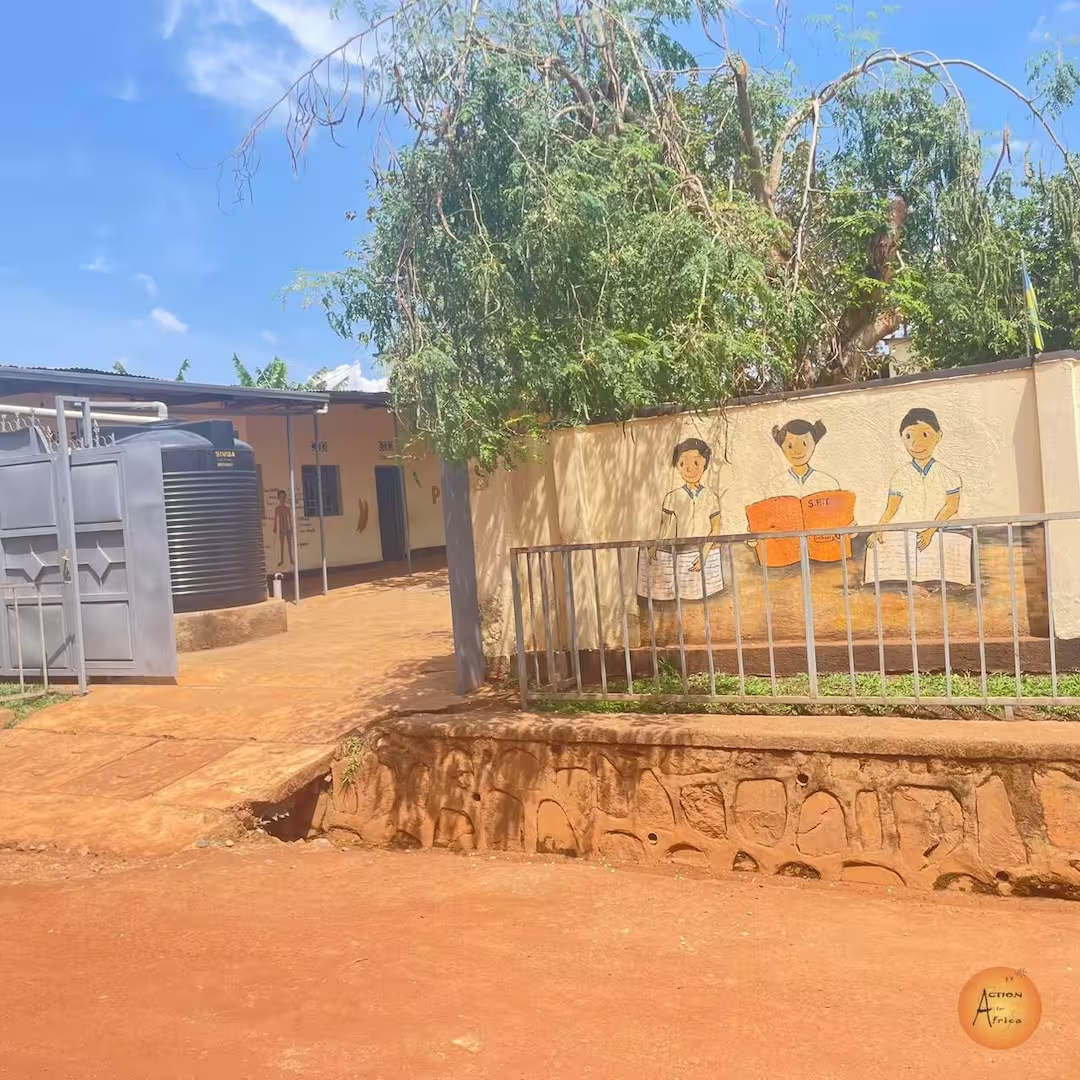
Rwanda has placed inclusive basic education at the heart of its national strategy development. The local NGO ACDS actively works in this area through the management of its school, "La Fraternité." However, faced with strong local population growth and pressure on existing infrastructure, the current premises have become obsolete, cramped, and overcrowded. Overcrowded classrooms threaten the children's health and safety and drastically limit educational potential. To meet the influx of requests from vulnerable families, the school urgently needs a major structural transformation.
2. Project Objectives
The main objective is to demolish the dilapidated ground-level structures and build a modern, multi-story school complex (ground floor + 1/2 floors), optimizing the NGO's available land.
• Increased capacity: To transfer and educate more than 600 students in conditions of dignity and optimal safety.
• Sustainable infrastructure: To provide spacious, well-ventilated, and equipped classrooms, administrative offices for staff, and a building Modern sanitary facilities strictly compliant with eco-responsible sanitation standards (Eco-WASH).
3. Description of Activities and Budget
The project is ready for immediate implementation thanks to the prior approval of all regulatory documents by the district. The total budget of RWF 650,000,000 (EUR 393,345.74) is divided into four main funding components:
1. Structural Work and Elevation (60%): Special foundations for multi-story structures, heavy masonry, reinforced concrete slabs, and eco-resilient metal roofing.
2. Interior Work and Finishing (15%): Plumbing, electrical work, carpentry (doors/windows), plastering, and flooring.
3. Eco-WASH Sanitation Facility (10%): Construction of separate latrines for girls and boys and installation of a rainwater harvesting system.
4. Furnishings and Equipment (10%): Complete provision of school furnishings in desks and benches, administrative offices, and teaching materials.
(A 5% contingency is maintained for technical inspections and unforeseen material costs).
4. Social Impact and Sustainability (Self-Financing)
• Impact: Immediate access to quality basic education for 600 children, reduced school dropout rates, and early integration through modern preschool programs.
• Financial Sustainability: The NGO ACDS guarantees long-term viability without continuous dependence on donors for operations. Teacher salaries will be covered by an integration agreement with the Ministry of Education (MINEDUC/REB). Operating costs, utilities, and building maintenance will be covered independently through a proven self-financing model: a family-friendly, solidarity-based schooling system, rental income from the facility during holidays, and a structural balancing grant from the NGO ACDS.
MUKIZA Emmanuel
Executive Director of the organization (ACDS)