


There are too many pupils in each class, and the classrooms are not yet sufficient, as we only have 14 classrooms but 15 classes, not counting those with over-capacity.


L'établissement Korlela Public Schoolest situé dans le village de Korlela Village. Pays : Liberia/West Africa
Korlela Public School
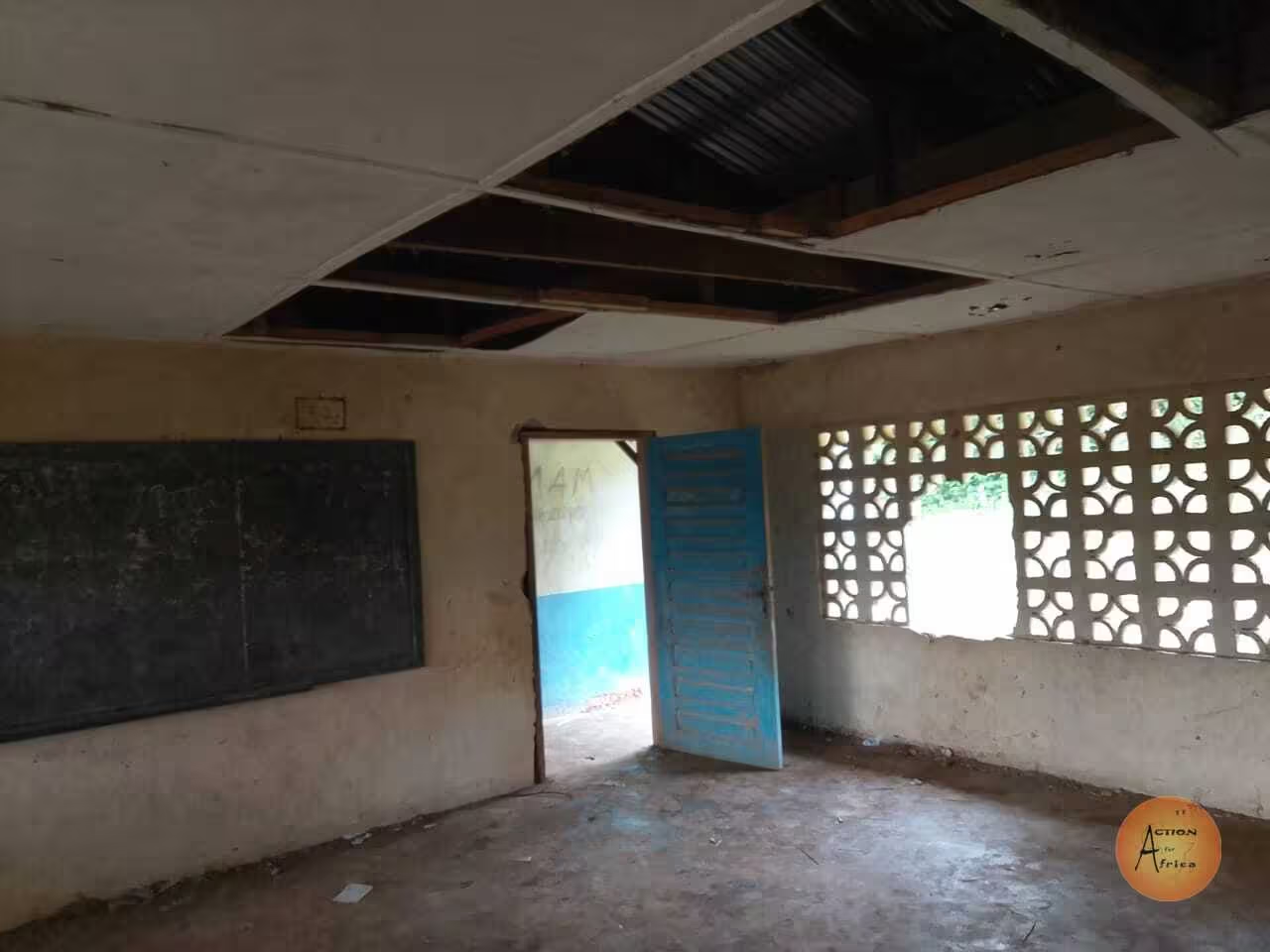
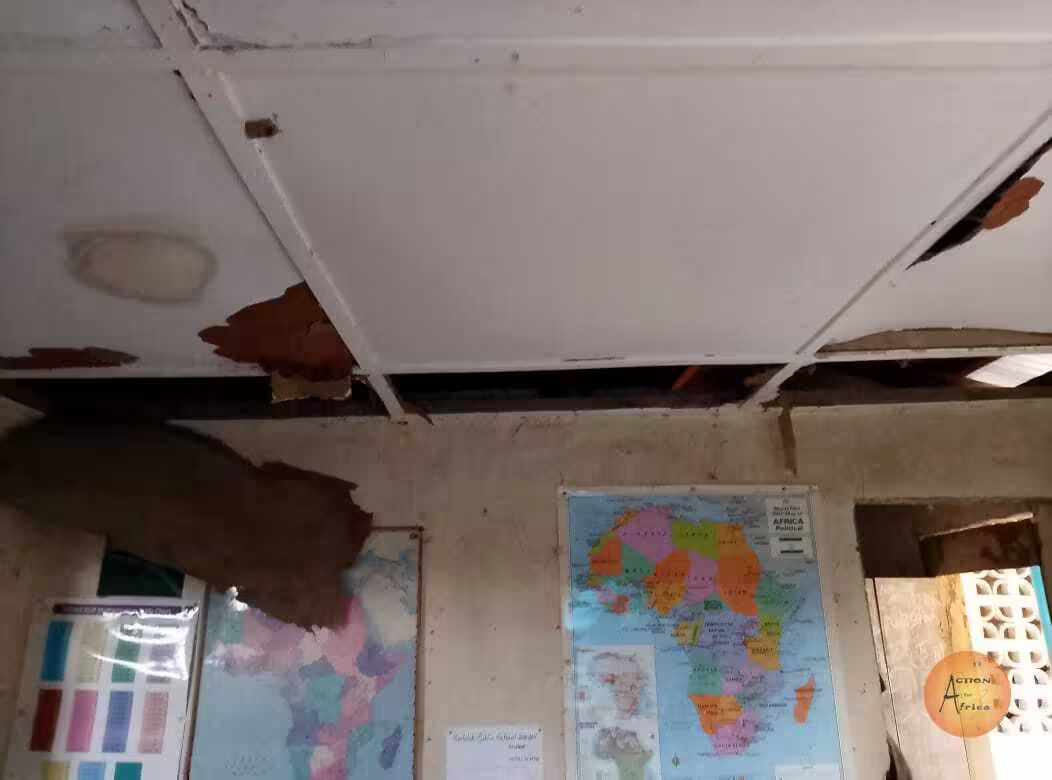
Leaking roofs in the classrooms Destroyed ceilings Deteriorating walls Damaged windows and doors Unsanitary toilets Weakened drainage pits that will collapse Lack of teaching materials No access to drinking water
Renovation
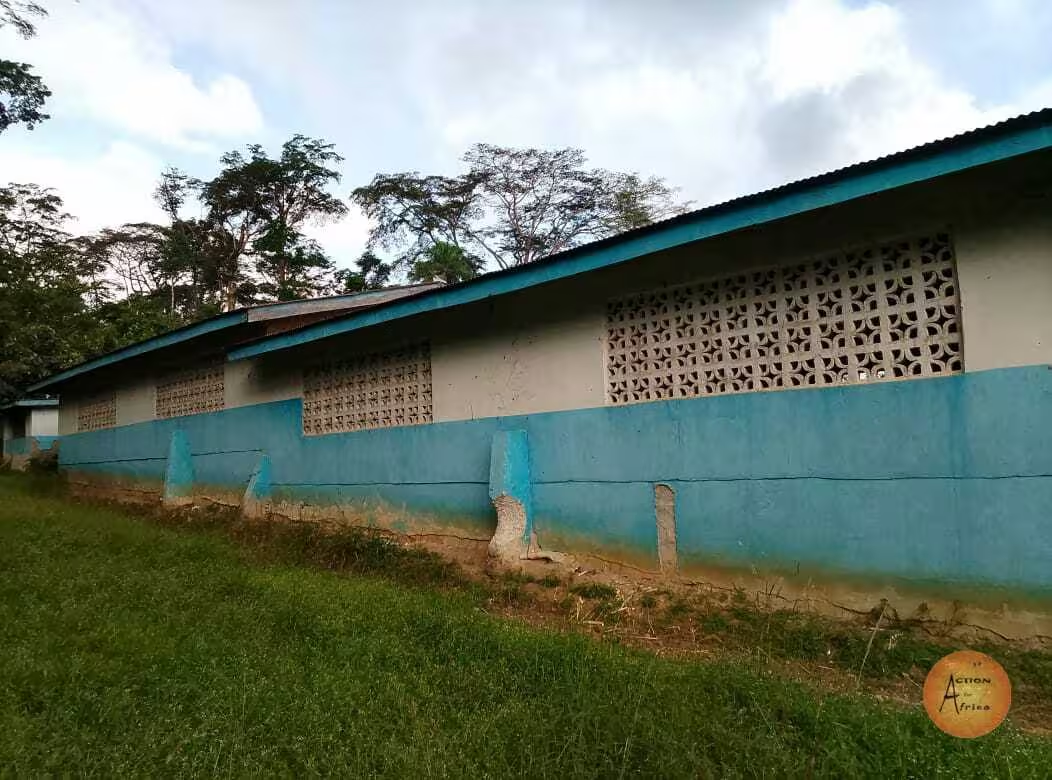
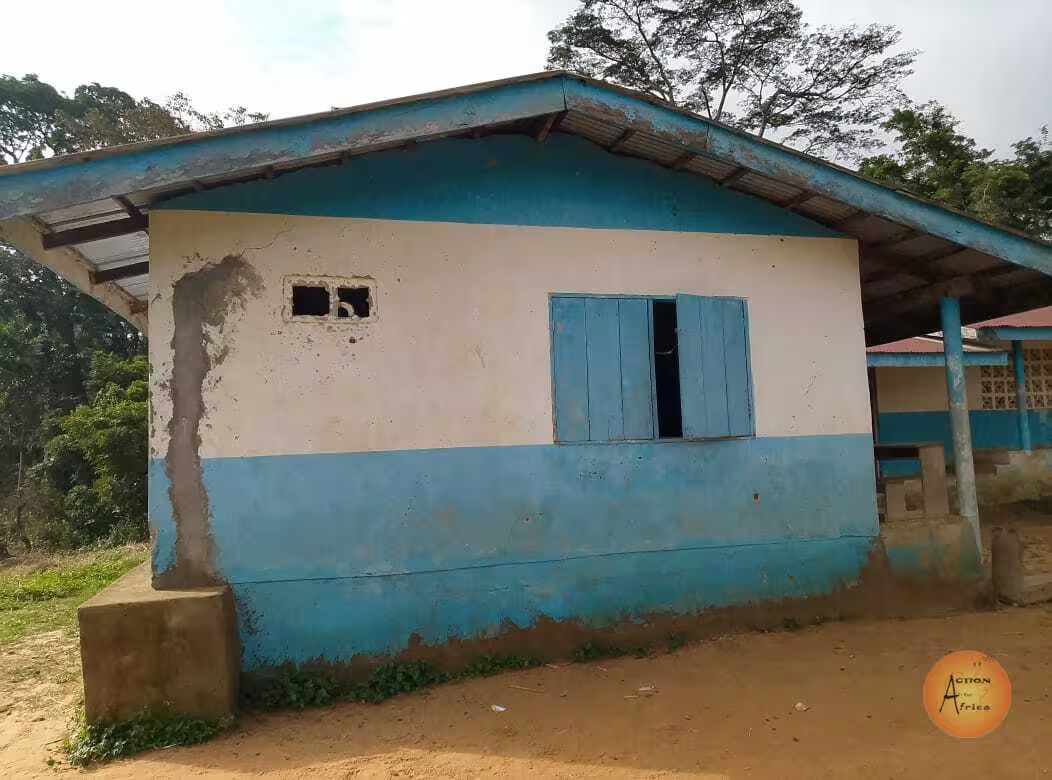
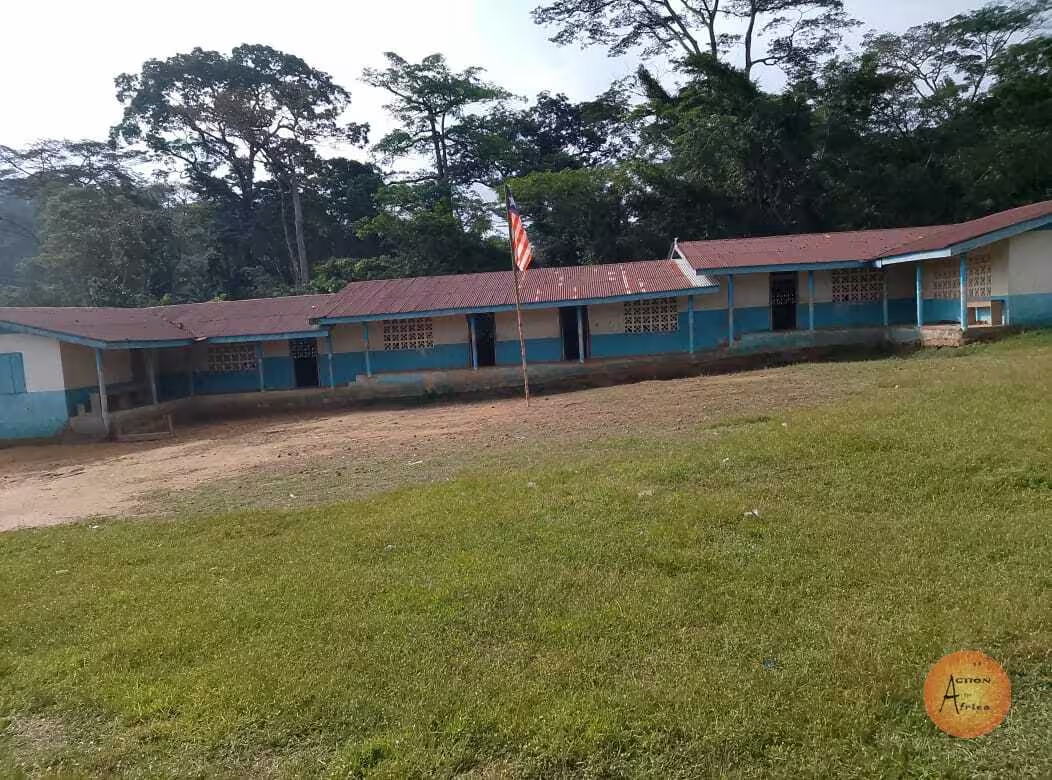
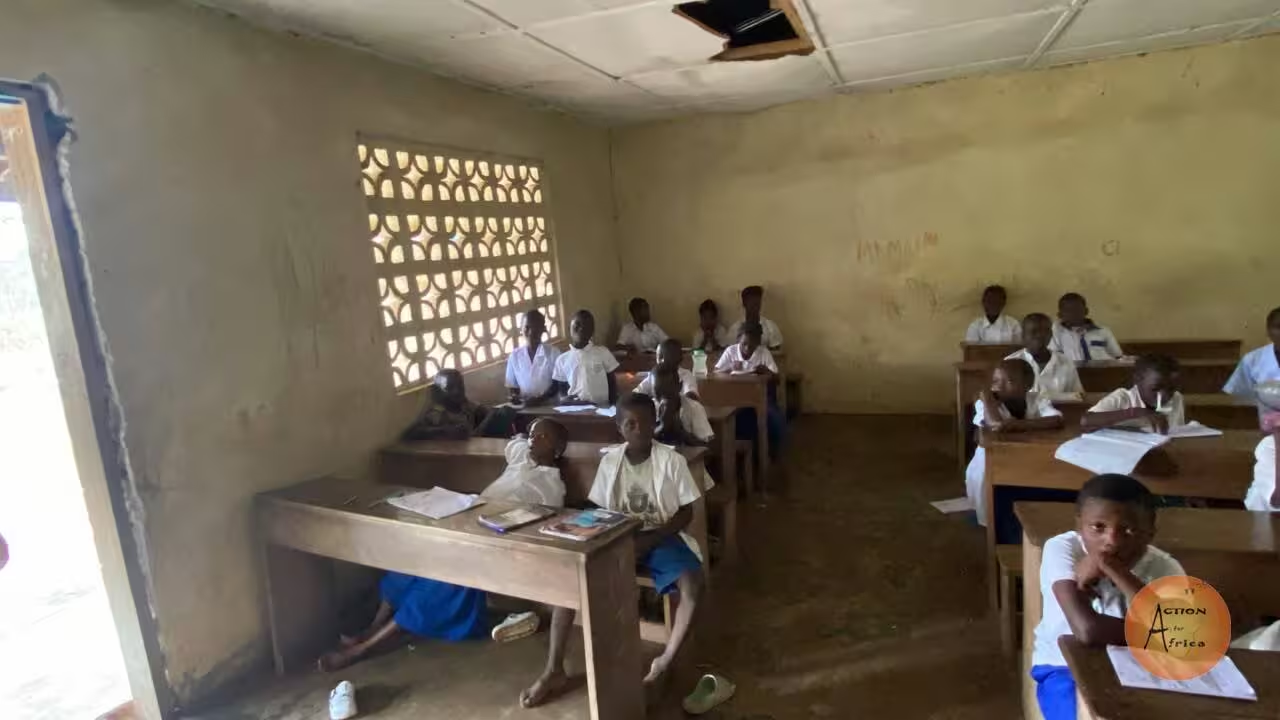
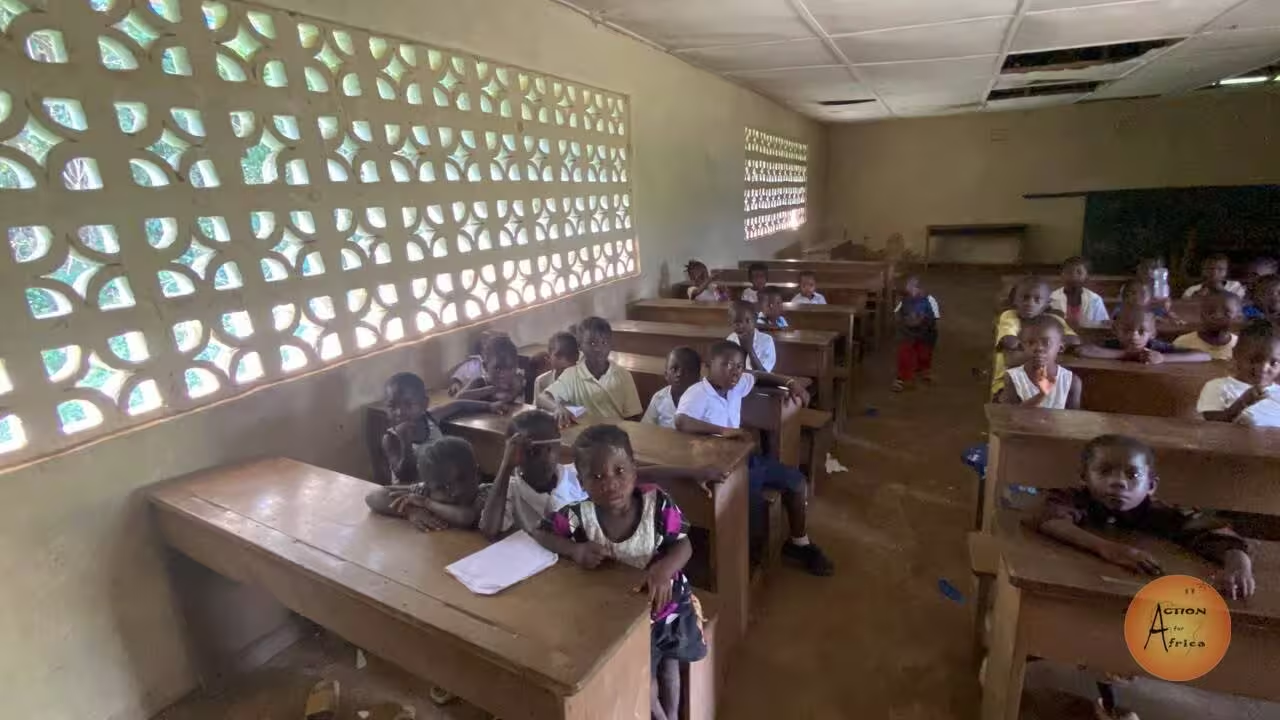
Korlela Public School in Korlela Village, Quardu-Gboni District, Lofa County, Liberia serves 280 registered students, but its buildings and facilities are in urgent need of repair. Classroom roofs leak, ceilings are destroyed, walls are deteriorating, and windows and doors are damaged. The toilets are unsafe, with weakened pits that may collapse. The school also lacks basic learning materials and furniture, including textbooks, notebooks, blackboards, desks, chairs, and tables. It has no reliable access to clean water.
Because the school is unsafe and unsuitable for learning, fewer than 200 students are currently attending classes regularly. The school reports that 2–5 students in each class drop out each month, and attendance has been disrupted for more than a year. Some students must leave class and walk long distances to collect water for drinking and using the toilets, causing them to miss lessons.
Most families depend on farming and have limited incomes, so they cannot afford to repair the school or provide the materials and water students need. Without urgent support, the school may be forced to close before the current academic year ends, leaving children in this rural community without a safe and effective place to learn.
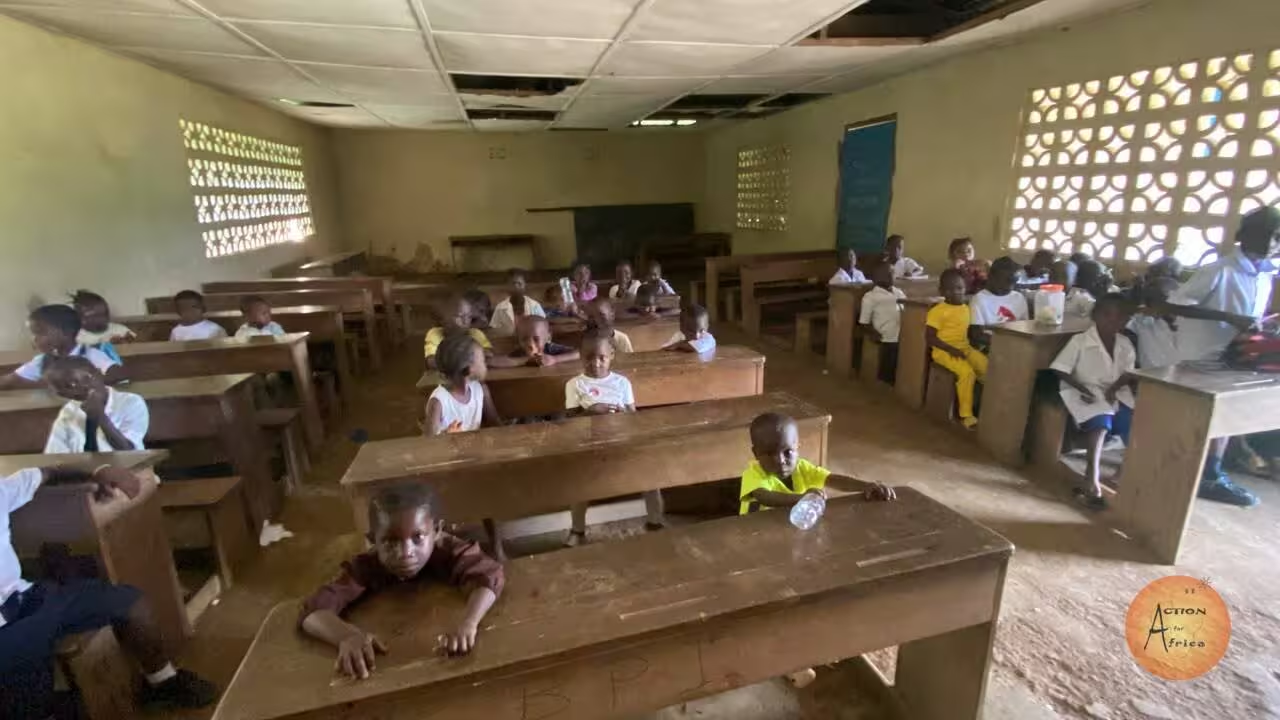
Korlela Public School is located in Korlela Village, Quardu-Gboni District, Lofa County, Liberia. It has 280 registered students, but fewer than 200 currently attend classes regularly because the school is unsafe and lacks essential facilities. The classrooms are in poor condition: roofs leak, some zinc sheets are damaged, ceilings are destroyed, and walls, windows, and doors are deteriorating. The toilets are unsafe, with weakened pits that could collapse, and the school has no reliable access to clean water. Students sometimes leave class and walk long distances to collect water, causing them to miss lessons.
The project will run for three months. During this period, the school’s classrooms will be repaired, the toilets will be made safe, and access to clean water will be improved. The project will also provide essential furniture and learning materials. These improvements will help create a safer and more supportive environment where students can attend regularly and participate in their education.
The overall objective is to provide students with a safer, healthier, and more suitable learning environment. Specifically, the project aims to repair the school’s classrooms and essential facilities, make the toilets safe and usable, and improve access to clean water. It will also provide needed classroom furniture and learning materials, support regular attendance, reduce student dropout, and improve teaching and learning conditions for students and teachers.
The project will require roofing materials, including zinc sheets, timber, and nails, as well as supplies to repair ceilings, walls, windows, and doors. Construction materials and skilled labor will be needed to repair or rebuild the unsafe toilets and strengthen the toilet pits. The school will also need materials and equipment to provide clean water.
Additional needs include desks, chairs, tables, blackboards, textbooks, notebooks, and other teaching and learning supplies. Tools, transportation, and labor will also be required to complete the work safely within the three-month project period.
By the end of the three-month project, the school is expected to have safer, improved classrooms with functional roofs, ceilings, walls, windows, and doors. Students and staff will have access to safer toilets and clean water on the school grounds. Classrooms will be better equipped with furniture and learning materials, and students will spend less class time traveling to collect water.
These improvements are expected to support better attendance, reduce the risk of students dropping out, and create better teaching and learning conditions for the entire school community.

Roof and Ceilings
Walls and Flooring
Windows and Doors
Toilets
6 sanitary blocks
Drinking water system
Electrical/solar installation

90 chairs and tables
30 sets of teaching materials
18 basic furniture and desks
80 kits and textbooks
9 blackboards
3 computers and 2 printers
Renovation
280
To be estimated
Received
See all current projects
There are too many pupils in each class, and the classrooms are not yet sufficient, as we only have 14 classrooms but 15 classes, not counting those with over-capacity.

The pupils in the CI class are housed in a temporary shelter made of straw. There are 55 pupils in total, and they struggle to work properly given the circumstances. During break time, all the pupils go to the village square, which is about 400 metres from the school, to get their breakfast and often return late, hence the need for a school canteen.

Mapalo Community School is a government-run public school in Zambia serving an estimated 700–1000 learners. The school faces infrastructure challenges that require attention to ensure that learners have a safe, adequate and supportive environment in which to learn.
The proposed project will address the school's priority needs, which include deteriorated classroom buildings, insufficient classroom space, inadequate desks and benches, limited teaching and learning materials, and deficiencies in water and sanitation facilities.

